Dental crowns are one of the most reliable solutions for restoring damaged teeth, but before moving forward with treatment, most people want a clear answer to one key question: how long do dental crowns last?
The reality is that there’s no single answer. The lifespan of a crown depends on several factors, including the material used, daily habits, and overall oral health. Understanding what affects durability can help you protect your investment and avoid unnecessary replacements.
What a dental crown actually ddoes for your tooth
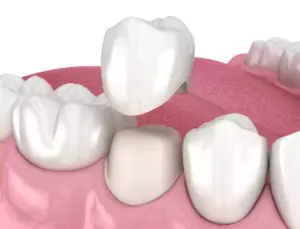
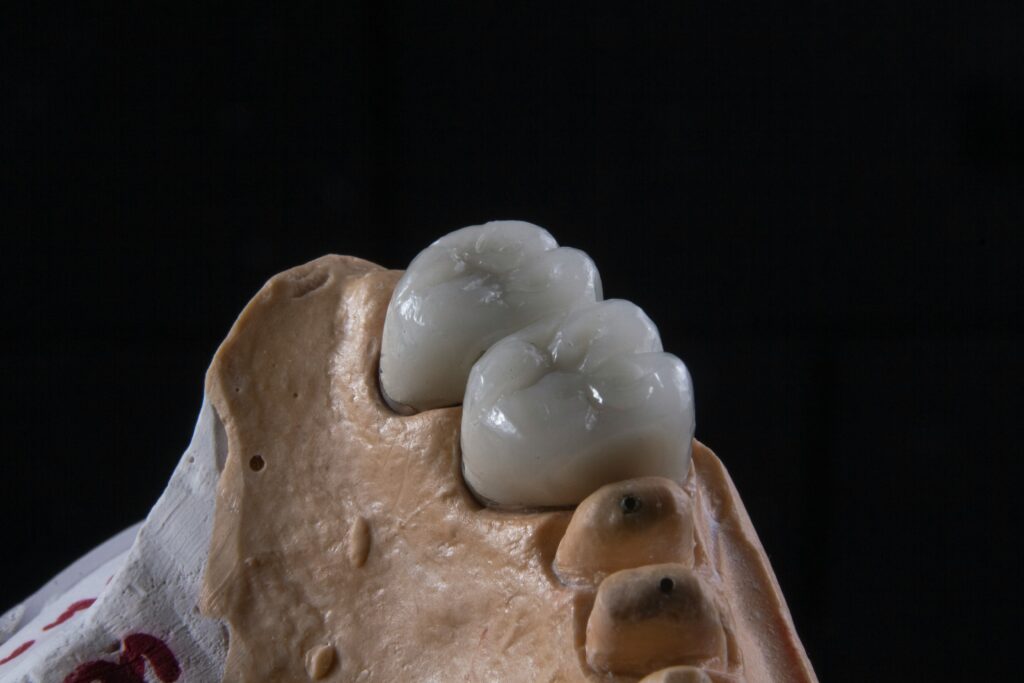
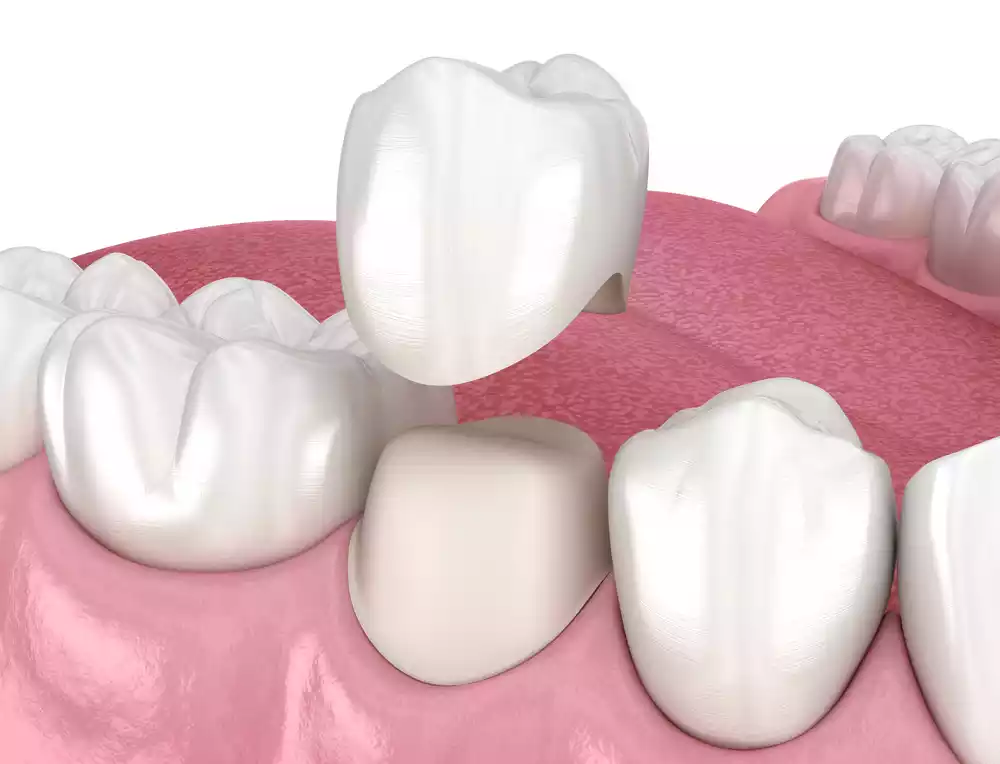
A dental crown is a custom-made restoration that fully covers a tooth that has been weakened by decay, fractures, or previous dental work. Its main purpose is to restore strength, function, and appearance.
Beyond protection, crowns also play an important role in long-term oral health. They help prevent further damage, stabilize the tooth structure, and improve how your bite functions. Because of this, patients often ask early in the process: how long do dental crowns last once placed.
The average lifespan you can expect
In general, most dental crowns last between 5 and 15 years. However, many can last significantly longer with proper care and favorable conditions.
Clinical data shows that a high percentage of crowns remain functional well beyond the 10-year mark. This is why the question how long do dental crowns last often depends less on the crown itself and more on how well it is maintained over time.
Why the material of your crown matters
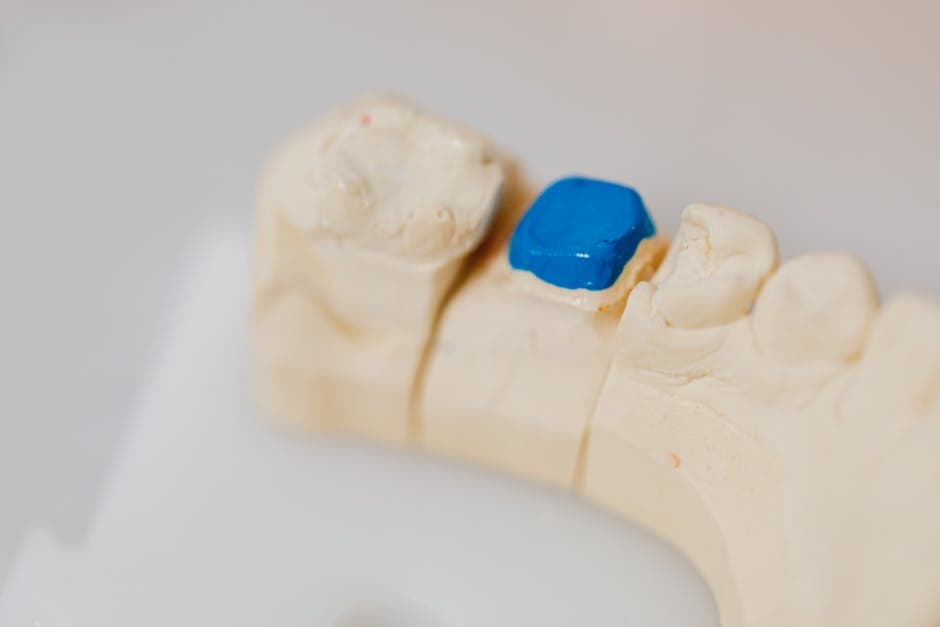
One of the biggest factors influencing durability is the material used.
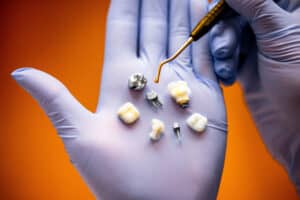
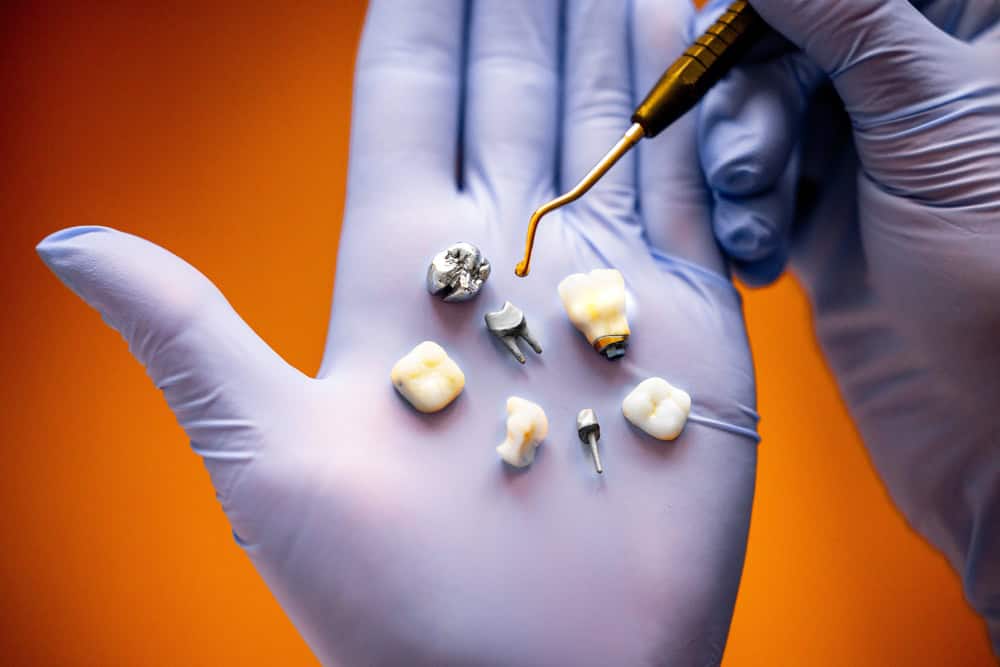
Porcelain and ceramic crowns
These are popular for their natural appearance, especially in visible areas. While aesthetically pleasing, they tend to be slightly less resistant to heavy pressure compared to metal options.
Metal-based crowns
Crowns made from gold or other alloys are extremely durable and can withstand strong biting forces. They are often used on molars where strength matters more than appearance.
Zirconia and hybrid materials
Modern materials like zirconia offer a balance between strength and aesthetics, making them a common choice for patients looking for long-lasting results without compromising appearance.
Because each material behaves differently under pressure and wear, it directly impacts how long do dental crowns last in real-life conditions.
Daily habits that can shorten or extend lifespan
Even the best crown can fail early if daily habits work against it.
Oral hygiene makes a big difference
Brushing twice a day and flossing daily are essential. While the crown itself cannot decay, the tooth underneath still can. Poor hygiene can lead to decay at the margin, which is one of the most common reasons crowns fail.
Consistent care is one of the biggest factors influencing how long do dental crowns last over time.
Diet and eeating habits
Frequent consumption of hard foods, like ice, hard candy, or even certain nuts, can cause cracks or wear. Sticky foods can also loosen crowns over time.
A balanced diet that supports oral health can significantly improve how long restorations remain intact.
Lifestyle factors you might not be considering
Some habits go beyond daily hygiene and can quietly affect your crown’s longevity.
Teeth grinding (Bruxism)
Grinding or clenching puts excessive pressure on crowns, increasing the risk of fractures or loosening. In many cases, a night guard is recommended to protect both natural teeth and restorations.
Smoking and oral health
Smoking contributes to gum disease and weakens the structures that support the tooth. This can compromise the stability of a crown and reduce its lifespan.
These factors often explain why how long do dental crowns last can vary so much from one person to another.

Signs your dental crown may need replacement
Even with proper care, crowns don’t last forever. Recognizing early warning signs can prevent bigger problems.
Common signs include:
- Sensitivity or discomfort around the crowned tooth
- Visible cracks or wear
- A loose or shifting crown
- Gum inflammation around the area
If any of these appear, it’s important to evaluate the condition of the crown. In many cases, early action can extend function or prevent damage to the underlying tooth.
How to make your dental crown last longer
Maximizing longevity comes down to consistency and prevention.
Build a strong daily routine
Brush with fluoride toothpaste, floss carefully around the crown, and consider using an antibacterial mouthwash. These small habits help protect both the crown and the natural tooth underneath.
Be mindful of pressure
Avoid using your teeth to open packages or bite hard objects. These habits can damage even the most durable materials.
Stay consistent with check-ups
Regular dental visits allow early detection of wear, small fractures, or gum issues. Preventive care plays a major role in extending how long do dental crowns last beyond average expectations.
Are dental crowns worth It long-term?
When properly maintained, dental crowns offer long-lasting results that restore both function and aesthetics. They allow you to eat comfortably, protect weakened teeth, and improve your overall smile.
For many patients, the combination of durability and benefits makes them a reliable long-term solution, especially when care and lifestyle support the investment.
Making the right decision for your smile
Understanding how long do dental crowns last is essential when planning your treatment, but the outcome ultimately depends on the quality of care, materials, and long-term maintenance.
If you’re considering improving your smile or restoring damaged teeth, choosing the right place matters.
At Dental Easy Care, you’ll find a trusted option for dental crowns in Tijuana, combining high-quality materials, advanced techniques, and a personalized approach focused on long-term results.
Schedule your consultation and take the next step toward a stronger, healthier, and more confident smile.