
A broken dental crown can happen unexpectedly and leave you wondering what steps to take next. Whether it occurs while eating, because of an accident, or after years of normal use, acting quickly can help protect your tooth and prevent additional complications.
Although dental crowns are designed to be strong and long-lasting, they are not indestructible. Understanding why a crown can break, what to do immediately, and when to seek professional care can help you handle the situation with confidence.
Understanding dental crowns and why they break
What is a dental crown?
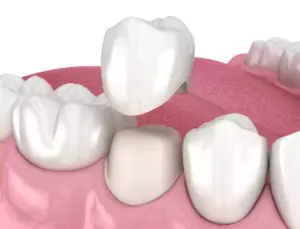
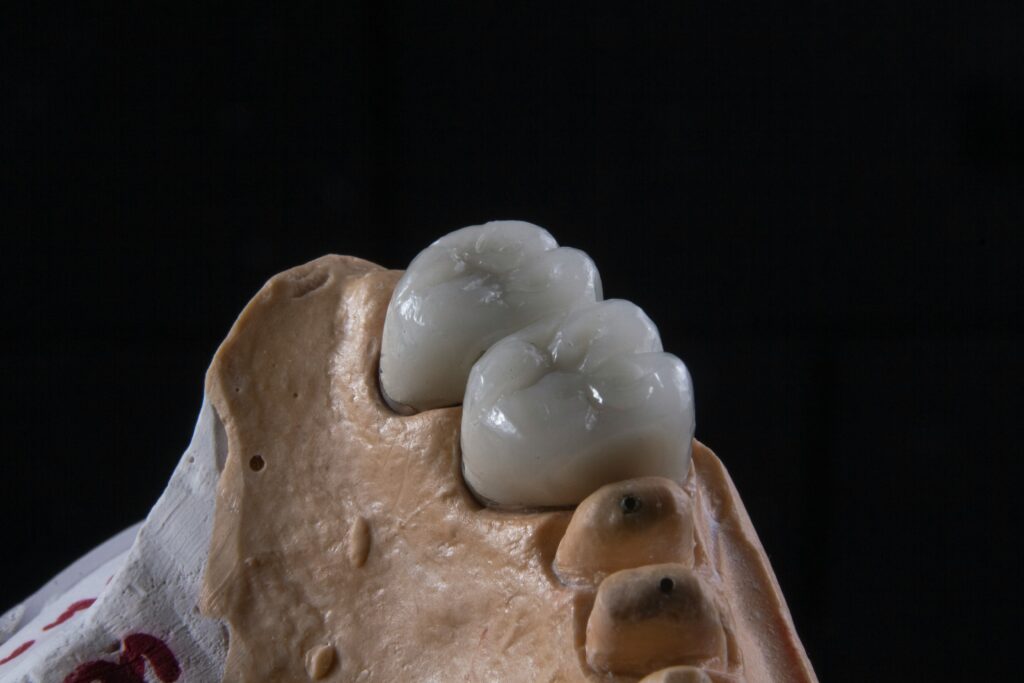
A dental crown is a custom-made restoration that covers and protects a damaged or weakened tooth. It restores the tooth’s shape, appearance, and function while helping prevent further deterioration.
Dentists commonly recommend crowns for teeth that have large fillings, severe damage, cracks, or have undergone root canal treatment. They can also be used to complete dental implants or support dental bridges.
Dental crowns are made from different materials, including porcelain, ceramic, zirconia, metal, and porcelain-fused-to-metal options. The ideal choice depends on factors such as the location of the tooth, your bite, durability needs, and aesthetic preferences.
Common causes of a broken dental crown
Even though crowns are designed to withstand daily chewing forces, several factors can contribute to damage over time.
Some common causes of a broken dental crown include:
- Biting hard foods: Ice, hard candy, popcorn kernels, and certain nuts can place excessive pressure on a crown.
- Teeth grinding: Bruxism can create repeated stress that weakens dental restorations.
- Natural wear over time: Crowns can become less durable after many years of use.
- Poor oral hygiene: Decay underneath or around a crown can compromise the tooth structure supporting it.
- Accidental trauma: Sports injuries, falls, or sudden impacts can damage both natural teeth and restorations.
Understanding these causes can help you take preventive steps and reduce the chances of experiencing another issue in the future.
What to do after a broken dental crown
When you notice a broken dental crown, it is important to remain calm and take the right steps to protect your tooth until you can visit your dentist.
Examine the damage
Start by checking the condition of the crown and the affected tooth. Look for signs such as:
- A visible crack or missing piece
- Sharp edges that irritate your tongue or cheek
- Increased sensitivity to hot or cold
- Pain when biting down
- Swelling or discomfort around the tooth
A small chip may not require emergency treatment, but it should still be evaluated by a dental professional. A larger break may expose the underlying tooth and increase the risk of further damage.
Keep the area clean
Maintaining good oral hygiene is essential after a broken dental crown. Gently brush the area and rinse your mouth with warm water to remove debris.
Avoid aggressive brushing around the damaged area, especially if the tooth feels sensitive or painful.
Avoid hard or sticky foods
Until your dentist can examine the tooth, avoid foods that could worsen the damage. Hard, crunchy, or sticky foods can put additional pressure on the remaining crown structure.
Choose softer options such as yogurt, smoothies, mashed foods, or soups to reduce discomfort and protect the affected tooth.
Do not try permanent repairs at home
Although temporary dental products may help in certain situations, attempting to permanently glue a crown back into place with household adhesives can cause additional problems.
A dentist needs to evaluate whether the crown can be repaired, reattached, or replaced depending on the extent of the damage.
Why a broken dental crown should not be ignored
Some people delay treatment because the damage seems minor, especially if they are not experiencing significant pain. However, waiting too long after a broken dental crown can increase the risk of complications.
Tooth sensitivity and discomfort
When a crown becomes damaged, parts of the underlying tooth may become exposed. This can lead to sensitivity when consuming hot, cold, sweet, or acidic foods and beverages.
Risk of tooth decay
A damaged crown may allow bacteria to reach areas that were previously protected. Over time, this can contribute to decay, infection, or the need for more extensive dental procedures.
Additional damage
A weakened crown can continue breaking, and a damaged tooth underneath may become more difficult to restore. Seeking professional care early can often help preserve more of your natural tooth structure.
Treatment options for a broken dental crown
The treatment your dentist recommends depends on the condition of the crown and the health of the tooth underneath.
Reattaching the crown
If the crown has come loose but remains intact, your dentist may be able to clean and re-cement it. This option is usually possible when the crown and supporting tooth are still in good condition.
Repairing minor damage
Small chips or cosmetic imperfections may sometimes be repaired depending on the material of the crown and the location of the damage.
Replacing the crown
If the restoration is severely cracked, broken, or no longer provides proper protection, your dentist may recommend creating a new crown.
A replacement crown is designed to restore strength, comfort, and appearance while providing long-term protection for the tooth.
When should you contact a dentist?
You should schedule a dental appointment as soon as possible after noticing a broken dental crown, especially if you experience:
- Persistent pain
- Swelling or inflammation
- Sensitivity that does not improve
- Difficulty chewing
- A loose crown
- Visible damage to the tooth underneath
Even if the crown appears to have minor damage, a professional evaluation can prevent small problems from becoming more serious.
How to prevent future crown damage
While crowns are durable, proper care can help extend their lifespan.
Maintain good oral hygiene
Brush your teeth twice daily, floss regularly, and follow your dentist’s recommendations for keeping your crowns and natural teeth healthy.
Be careful with hard foods
Avoid chewing ice, hard candies, or objects such as pens and fingernails, as these habits can increase pressure on your dental restorations.
Consider treatment for teeth grinding
If you grind your teeth at night, ask your dentist about protective options such as a night guard. Reducing grinding pressure can help prevent damage to crowns and other teeth.
Schedule regular dental visits
Routine checkups allow your dentist to monitor the condition of your crowns and identify potential issues before they become emergencies.
Restore your smile with quality dental crowns
If you need a replacement after a broken dental crown or are looking for a reliable solution to restore your smile, choosing the right dental clinic makes a difference.
At Dental Easy Care, patients looking for dental crowns in Tijuana can receive personalized treatment from experienced dental professionals using modern techniques and high-quality materials. Our team focuses on creating comfortable experiences while providing restorative solutions designed around each patient’s needs.
Whether you need a new crown, an evaluation of a damaged restoration, or guidance on the best option for your smile, Dental Easy Care offers professional care with a patient-centered approach.
Schedule your consultation with Dental Easy Care and discover why many patients choose us for dental crowns and comprehensive dental treatments.
A damaged crown does not have to compromise your smile. With timely attention and the right dental team, you can restore your tooth’s function, appearance, and confidence.