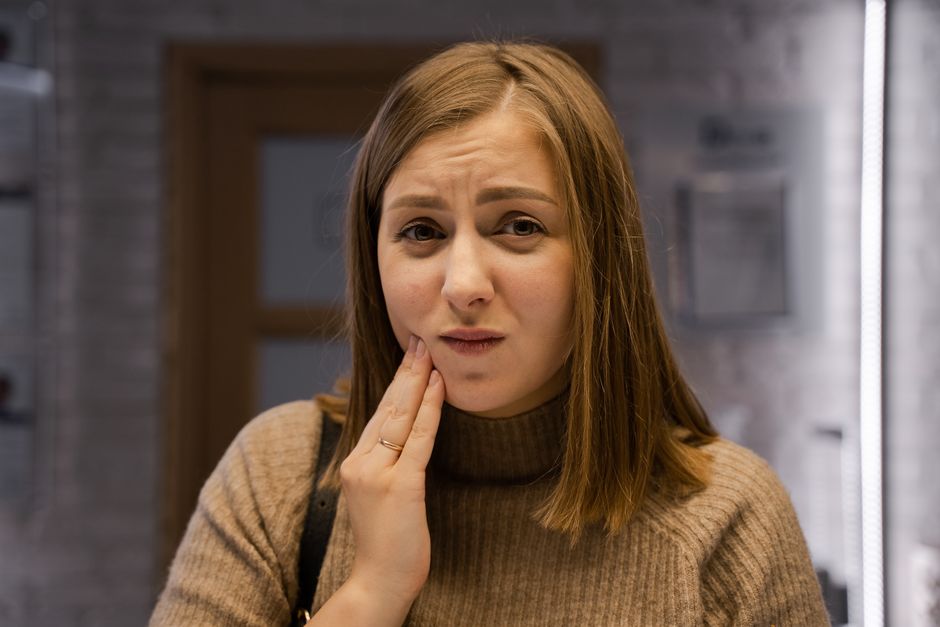
Getting a dental crown is an effective way to restore a damaged or weakened tooth, improve its appearance, and protect it from further complications. However, some patients notice discomfort after the procedure and begin to wonder whether dental crown sensitivity is a normal part of recovery or a sign that something needs attention.
Experiencing some changes after receiving a crown is common. The tooth, surrounding tissues, and nerves may need time to adjust to the new restoration. In many cases, sensitivity improves gradually as the mouth adapts. However, knowing what causes discomfort and recognizing warning signs can help you protect your oral health.
Why dental crowns can cause sensitivity after placement
How dental crowns protect your teeth
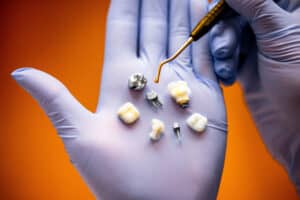
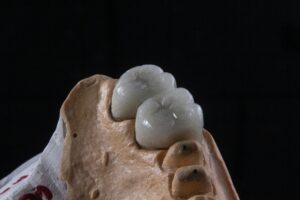
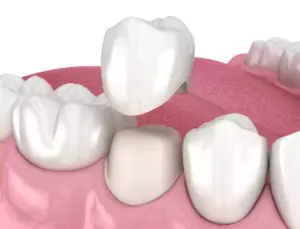
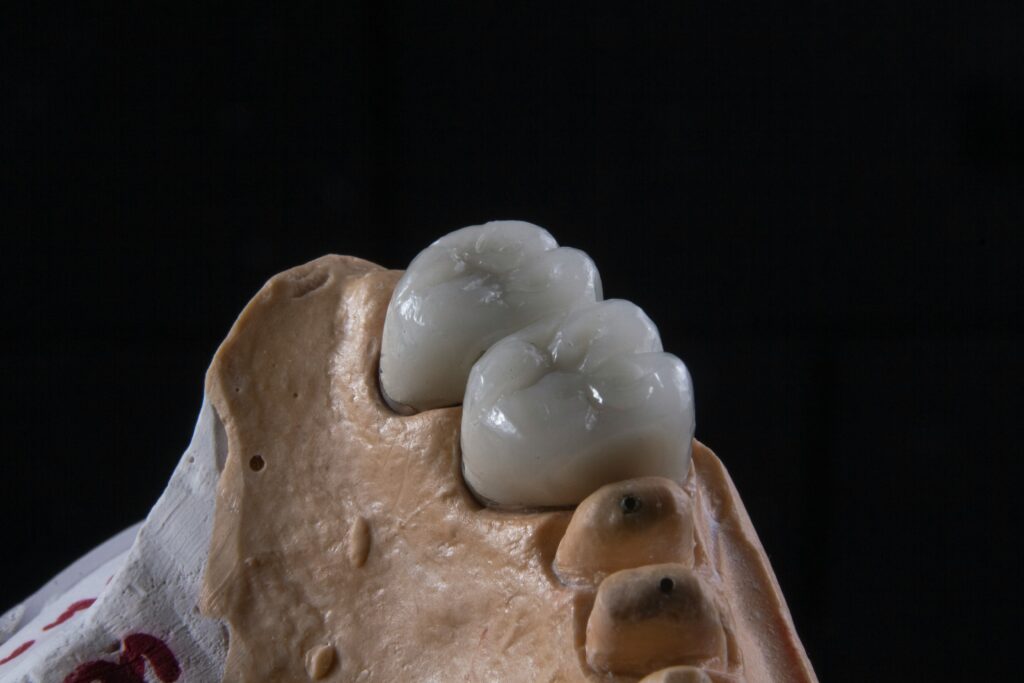
A dental crown is a custom-made restoration that completely covers a damaged tooth to restore its strength, shape, and function. Dentists often recommend crowns for teeth affected by large cavities, fractures, severe wear, discoloration, or previous root canal treatment.
Crowns can also be used to support dental bridges or complete dental implants. Because they are designed specifically for each patient, a properly fitted crown should feel comfortable and function naturally when chewing.
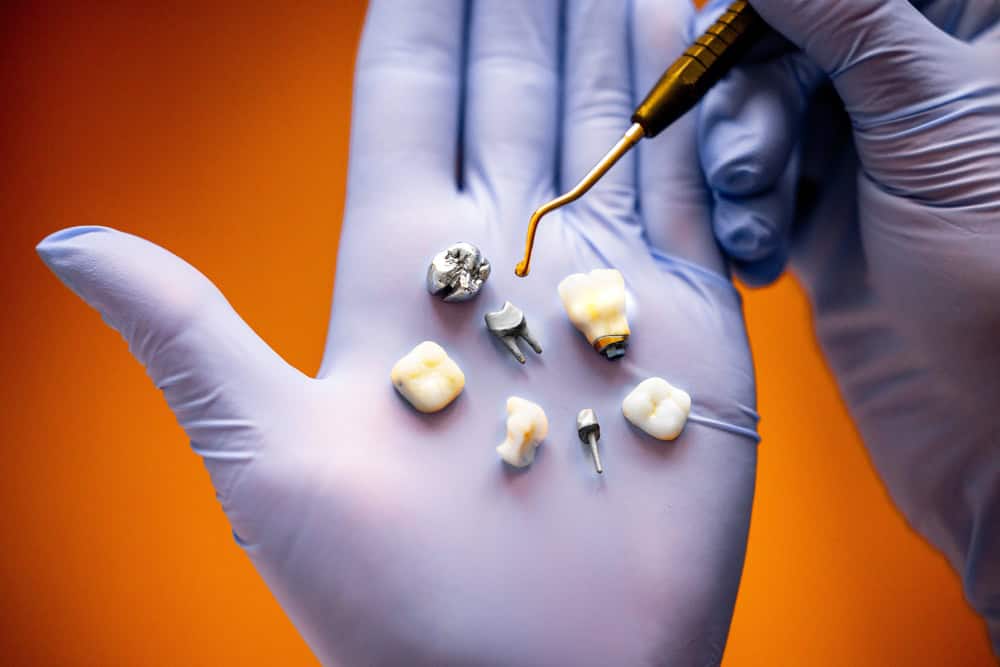
Different materials can be used to create dental crowns, including porcelain, ceramic, zirconia, metal, and porcelain-fused-to-metal options. The best choice depends on factors such as the location of the tooth, bite pressure, aesthetic goals, and long-term durability.
What happens during a dental crown procedure
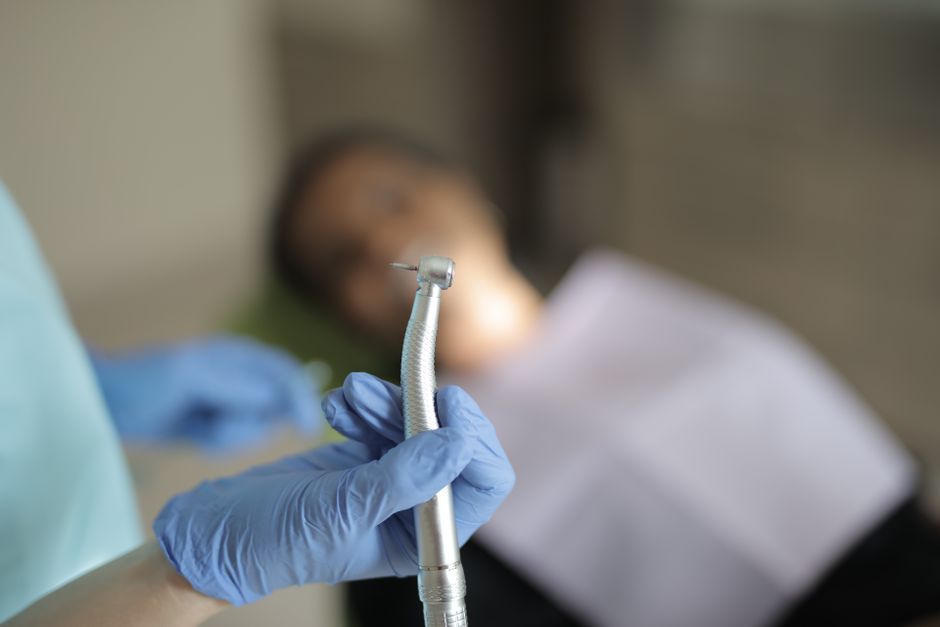
The process of receiving a dental crown usually involves preparing the tooth, taking impressions, and placing a temporary restoration while the permanent crown is created. During the final appointment, the dentist removes the temporary crown and carefully bonds the permanent one into place.
Because the tooth has been reshaped and treated during the procedure, it is normal for the area to feel different afterward. Some patients experience dental crown sensitivity when drinking cold beverages, eating hot foods, or applying pressure while chewing.
This reaction often happens because the tooth’s nerve requires time to adjust after the restoration. In most cases, mild discomfort decreases as the tooth heals.
Common reasons for dental crown sensitivity
Normal adjustment after crown placement
One of the most common reasons patients experience dental crown sensitivity is the natural healing process after treatment. The tooth underneath the crown may have experienced irritation during preparation, especially if the original damage was extensive.
Sensitivity during this period may occur when:
- Drinking hot or cold beverages
- Eating sugary foods
- Biting down on the restored tooth
- Breathing cold air through the mouth
Temporary sensitivity does not always mean there is a problem with the crown. However, monitoring how symptoms change over time is important.
The tooth nerve needs time to recover
Every tooth reacts differently after receiving a crown. Some teeth recover quickly, while others may take several weeks to settle.
The amount of sensitivity can depend on factors such as:
- The depth of decay before treatment
- Whether the tooth had previous procedures
- The amount of tooth structure remaining
- The material used for the crown
- Individual healing response
If the nerve remains irritated, dental crown sensitivity may continue longer than expected. A dentist can evaluate whether the symptoms are part of normal healing or if additional treatment is necessary.
When sensitivity may indicate a problem
Persistent pain or increasing discomfort
While mild sensitivity is often expected after crown placement, ongoing or worsening discomfort should not be ignored. Pain that continues without improvement may indicate that the tooth needs further evaluation.
Some signs that require professional attention include:
- Sharp pain when biting
- Sensitivity that becomes stronger over time
- Throbbing discomfort
- Swelling around the gums
- Pain that appears without eating or drinking
These symptoms may suggest issues such as inflammation, an infection, or a problem with the crown’s fit.
An improper crown fit
A properly placed crown should align comfortably with your bite. If the crown is slightly too high or does not fit correctly, it can create extra pressure on the tooth.
An uneven bite can contribute to discomfort when chewing and may increase stress on the restoration. In many cases, a simple adjustment from your dentist can improve comfort and restore proper function.
Tooth decay under the crown
Although crowns protect teeth, the natural tooth underneath can still develop decay if bacteria enter around the edges of the restoration.
Poor oral hygiene, gum problems, or an existing dental issue can contribute to complications. Regular dental visits allow your dentist to monitor the condition of your crown and identify concerns before they become more serious.
How long does dental crown sensitivity last?
The duration of sensitivity varies depending on the condition of the tooth and the complexity of the treatment. For many patients, discomfort improves within a few days or weeks after receiving a crown.
However, dental crown sensitivity that continues for an extended period should be evaluated by a dental professional. Waiting too long can allow small issues to become more difficult to treat.
Keeping track of when sensitivity occurs, what triggers it, and whether it improves can provide helpful information during your dental appointment.
Ways to reduce dental crown sensitivity
Use products designed for sensitive teeth
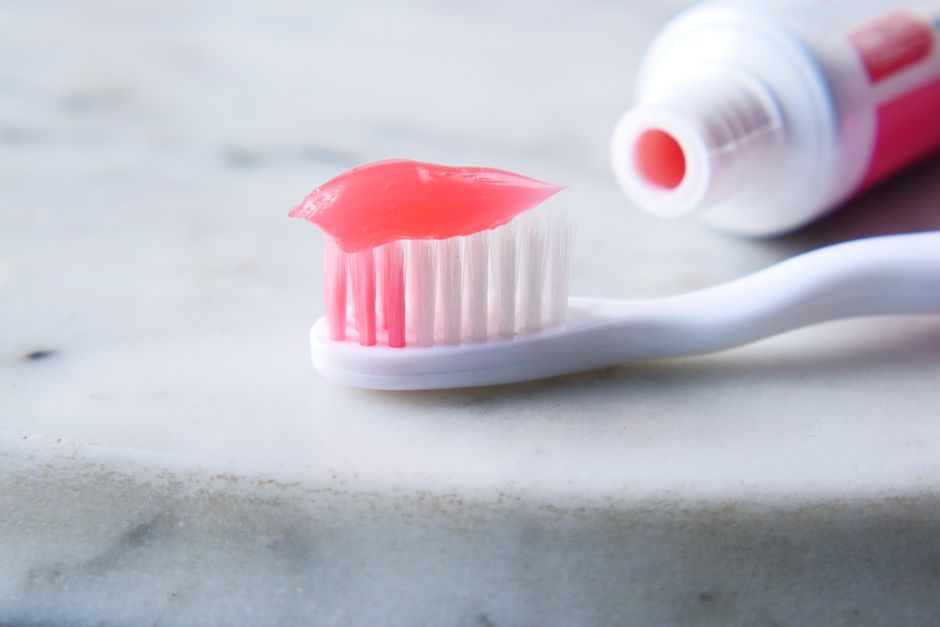
Desensitizing toothpaste can help reduce discomfort by protecting exposed areas and limiting reactions to temperature changes. Using these products consistently may provide relief while the tooth continues adjusting.
Avoid extreme temperatures
Very hot or cold foods and beverages can trigger discomfort during the healing period. Choosing lukewarm drinks and avoiding sudden temperature changes can make daily activities more comfortable.
Maintain gentle oral care
Continue brushing and flossing regularly, but avoid aggressive pressure around the treated area. Keeping the crown and surrounding gums clean helps prevent additional complications.
A healthy oral care routine is essential for protecting both the crown and the natural tooth underneath.
When to visit your dentist for dental crown sensitivity
Although some discomfort after receiving a crown can be expected, certain symptoms require professional attention. Ignoring persistent dental crown sensitivity may allow a minor concern to develop into a more complex dental issue.
You should schedule an evaluation if you experience:
- Sensitivity that does not improve over time
- Severe or constant tooth pain
- Pain when biting or chewing
- Swelling, redness, or tenderness around the gums
- A feeling that the crown is loose
- Changes in the way your teeth come together when you bite
A dental professional can determine whether the dental crown sensitivity is related to the crown itself, the tooth underneath, or another oral health concern.
Treatment options for ongoing dental crown sensitivity
The right solution depends on the reason behind your dental crown sensitivity. After examining your tooth and crown, your dentist may recommend one of several approaches.
Crown adjustment
If the crown creates excessive pressure because of an uneven bite, a small adjustment may be enough to improve comfort. This procedure is usually quick and helps the crown function more naturally with your other teeth.
Treating underlying tooth problems
In some cases, sensitivity is not caused by the crown but by an issue affecting the tooth beneath it. Problems such as decay, nerve inflammation, or infection may require additional treatment.
Addressing the underlying cause is essential to prevent further damage and maintain the health of the tooth.
Crown replacement
If a crown is damaged, poorly fitted, or no longer providing proper protection, replacing it may be the best option. A new restoration can improve comfort, appearance, and function while protecting the tooth for the future.
How to prevent future crown problems
Taking care of your dental crown can help extend its lifespan and reduce the risk of future complications.
Practice consistent oral hygiene
Brushing twice a day, flossing regularly, and maintaining healthy gums are essential for protecting the tooth underneath your crown. Good oral hygiene helps prevent bacteria buildup that can affect both natural teeth and restorations.
Avoid habits that damage crowns
Certain habits can place unnecessary stress on dental crowns, including:
- Chewing ice
- Biting hard objects
- Opening packages with your teeth
- Chewing on pens or fingernails
Avoiding these behaviors can help protect your restoration from cracks or fractures.
Address teeth grinding
Patients who grind or clench their teeth may put additional pressure on their crowns. If you notice signs of grinding, such as jaw discomfort or worn teeth, speak with your dentist about protective options like a custom night guard.
Keep regular dental appointments
Routine dental visits allow your dentist to check the condition of your crown and identify potential concerns before they become more serious.
Professional monitoring is especially important if you have experienced dental crown sensitivity in the past, as early evaluation can help protect your restoration and overall oral health.
Protect your smile with professional crown care
A dental crown can restore strength, appearance, and confidence after tooth damage, but paying attention to changes after treatment is essential. While some discomfort may be temporary, persistent symptoms should always be evaluated by a qualified dental professional.
Experiencing dental crown sensitivity does not necessarily mean there is a serious problem, but understanding the possible causes can help you know when to seek help. With proper care and timely treatment, your crown can continue protecting your smile for many years.
If you are considering restorative treatment or need expert guidance after experiencing dental crown sensitivity, Dental Easy Care is ready to help. Our approach to dental crowns in Tijuana focuses on personalized attention, advanced techniques, and reliable results, making us a trusted option for patients looking for high-quality dental care.
Schedule a consultation with Dental Easy Care and discover how the right dental crown treatment can help you maintain a healthy, comfortable, and confident smile.