Dental crowns can protect weakened teeth, restore damaged enamel, and improve the appearance of a smile. When a crown feels different, looks damaged, or causes discomfort, it is worth paying attention. Some problems are minor and easy to correct, while others may point to decay, infection, bite problems, or damage underneath the restoration. Recognizing dental crown issues early can help prevent more extensive treatment and protect the natural tooth.
What dental crowns do for damaged teeth
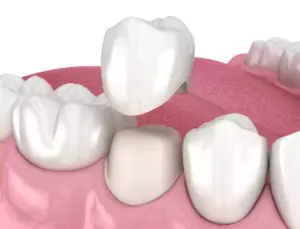
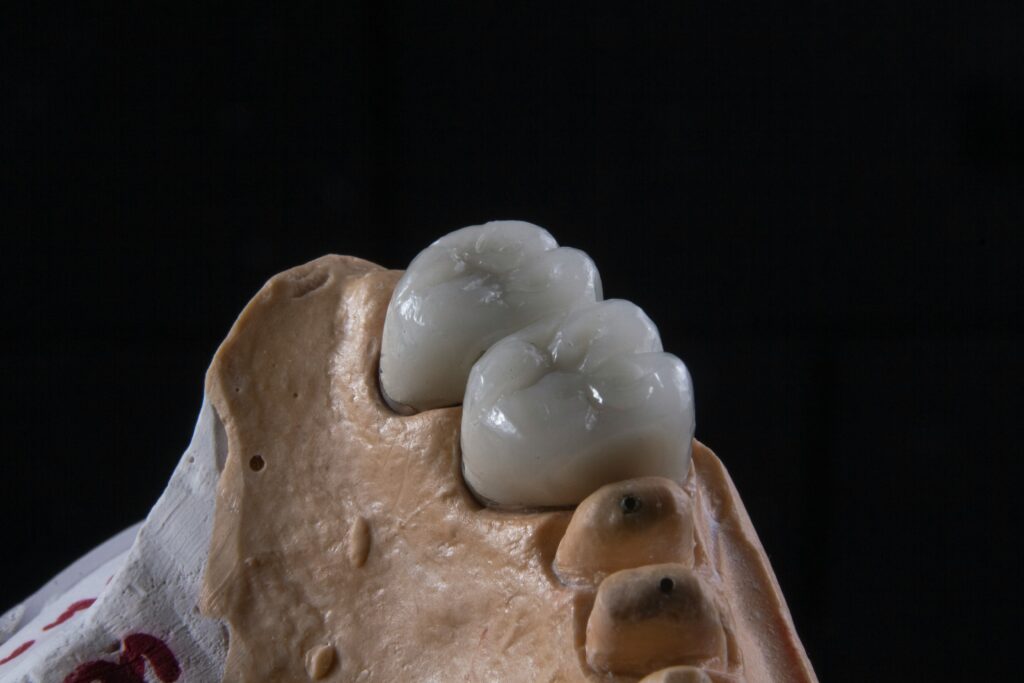
A crown covers and strengthens a tooth weakened by decay, fractures, fillings, or root canal treatment. Good hygiene and routine dental visits help preserve both the crown and the tooth underneath it. Consistent care supports lasting results. Regular checkups can reveal changes that are difficult to notice at home, including wear, leakage, or gum irritation.
A careful examination also helps distinguish normal adjustment from a problem that needs treatment. This distinction matters because discomfort can have several causes, and the appropriate solution depends on the condition of the crown, the tooth, the gums, and the bite.
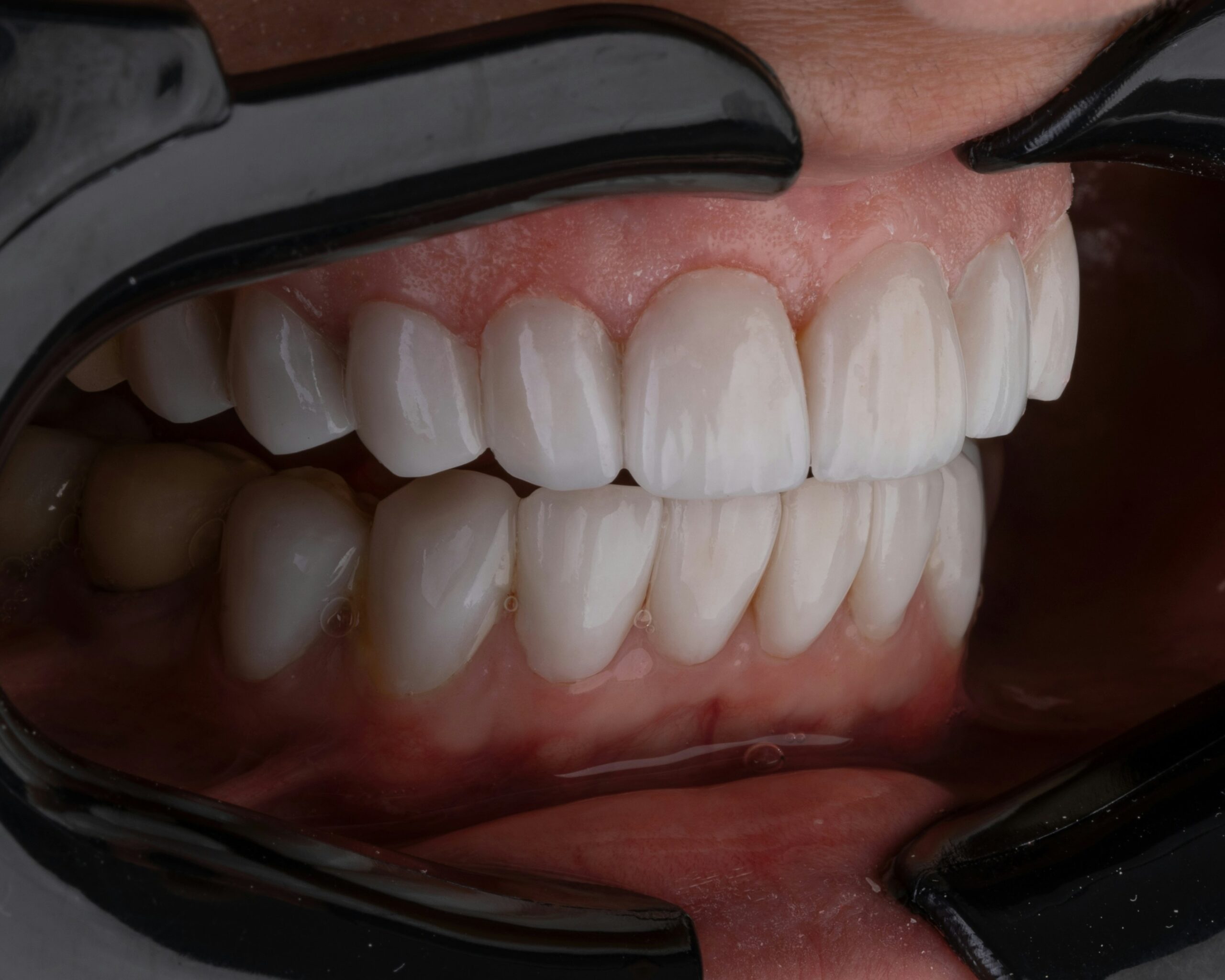
Signs your crown may need attention
Persistent pain or discomfort
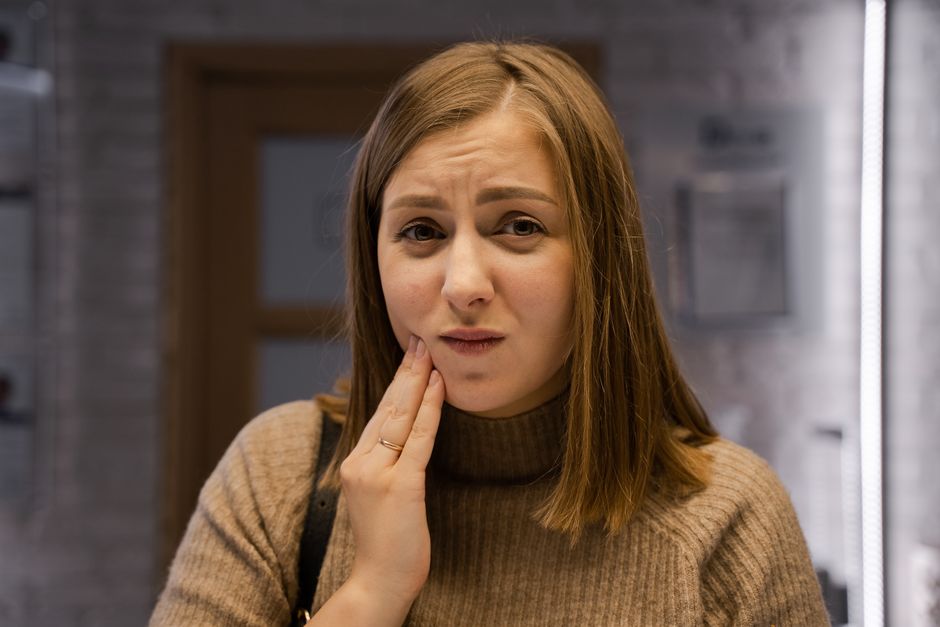
Ongoing pain, pressure, or discomfort when biting deserves an evaluation. One of the most important dental crown issues is pain that continues or becomes worse instead of gradually improving.
Sensitivity to hot and cold
If sensitivity continues for weeks, becomes intense, or occurs without an obvious trigger, the dentist should examine the tooth. The cause could involve decay or inflammation.
A loose or moving crown
A crown should not rock, shift, or move when you eat or touch it with your tongue. A loose restoration can allow bacteria and food particles to reach the tooth underneath. Among common dental crown issues, looseness deserves prompt attention because delaying treatment may increase the risk of decay or further damage.
Cracks, chips, or visible damage
Crowns can chip or fracture after trauma, excessive biting pressure, or years of use. Small cosmetic chips may sometimes be repaired, while larger fractures may require replacement. Avoid chewing hard foods on a damaged crown until a dentist has evaluated it. Repeated pressure can make a small crack worse. These are dental crown issues worth addressing before they affect your daily comfort.
Why crown problems happen
An improper fit or bite
A crown that does not fit correctly can feel uncomfortable and may place excessive pressure on the tooth. If the crown feels too high when you close your mouth, a simple bite adjustment may solve the problem. Proper fit is important for comfortable chewing and stability. Persistent bite interference should be reported so your dentist can check the restoration and make appropriate adjustments.
Normal wear and teeth grinding
Years of chewing can gradually wear dental restorations. Teeth grinding and clenching can accelerate this process, especially during sleep. A night guard may help protect a crown and neighboring teeth when grinding is contributing to excessive pressure.
Poor oral hygiene
A crown itself cannot develop a cavity, but the natural tooth around or beneath it can. Plaque accumulation along the gumline may contribute to decay and gum inflammation. Brushing twice daily, cleaning between teeth, and attending regular dental appointments can reduce these risks.
When crown problems need urgent care
Some symptoms should not be ignored. Severe or sudden pain, facial swelling, fever, a crown that has completely fallen out, or a sharp edge that is cutting your cheek or tongue can require prompt dental care. Dental crown issues accompanied by swelling or intense pain may indicate an infection or another problem requiring immediate attention.
If a crown falls out, keep it clean and contact your dentist. Do not use household glue to put it back in place. A dentist can determine whether the restoration can be re-cemented or whether a new crown is necessary.
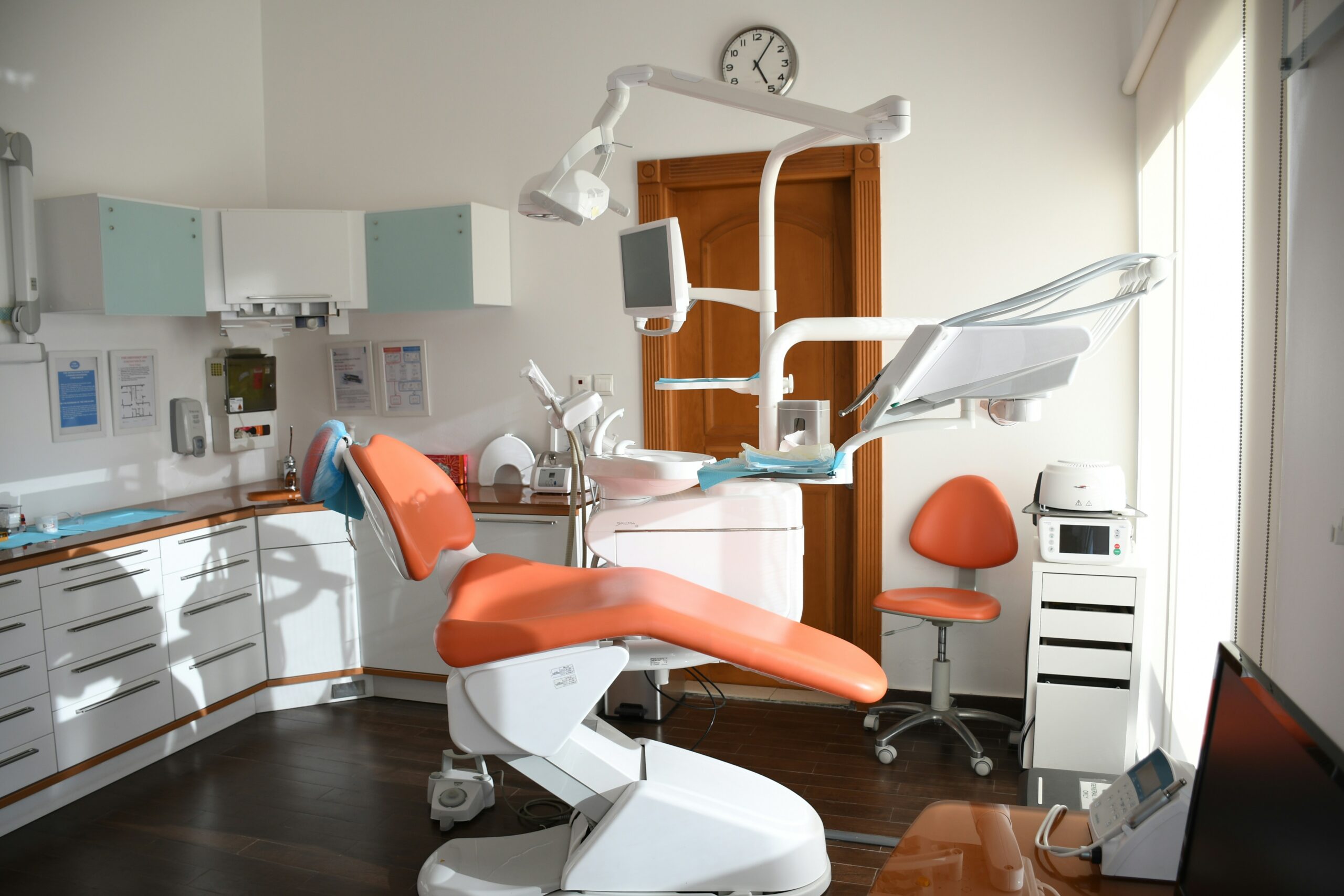
How dentists treat crown problems
Treatment depends on what caused the problem. A loose crown may sometimes be cleaned and re-cemented if the tooth and restoration remain healthy. If the bite is uneven, the dentist can make a small adjustment to improve comfort. Minor chips may be repairable, while significant fractures can require replacement.
When decay, infection, or structural damage is found beneath a crown, the tooth may need additional treatment before a new restoration is placed. These dental crown issues cannot be resolved by treating the visible crown alone because the underlying tooth also needs attention.
How to reduce the rrisk of future problems
Protecting a crown starts with everyday oral care. Brush with fluoride toothpaste, clean between your teeth, and pay special attention to the gumline surrounding the restoration. Avoid using your teeth to open packages or bite extremely hard objects.
If you grind or clench your teeth, ask your dentist whether a custom night guard could help. Regular examinations also allow your dentist to identify changes before they become major dental crown issues. Early care is often simpler than waiting for pain or visible damage.
Choosing quality care for dental crowns in Tijuana
When a crown needs to be placed or replaced, choosing an experienced dental team can make a meaningful difference. Addressing dental crown issues with careful planning helps protect the restoration and the tooth beneath it. At Dental Easy Care, treatment is planned around the condition of your tooth, your bite, your comfort, and your smile goals. Rather than treating every restoration the same way, the team evaluates the tooth carefully and recommends the option that fits your needs.
For patients considering dental crowns in Tijuana, Dental Easy Care offers a convenient option for restorative dental care with attention to function and aesthetics. Whether you need a first crown or are dealing with an older restoration, a personalized evaluation can help identify the right path forward.
Protect your restoration and your smile
A dental crown can provide years of protection when it is properly placed and cared for, but changes in comfort, stability, or appearance should not be dismissed. Addressing dental crown issues early may allow for a simpler solution and help preserve the natural tooth. When a crown remains stable and comfortable, continue regular hygiene and professional examinations.
If you are experiencing discomfort or need a new restoration, Dental Easy Care can evaluate your smile and discuss appropriate treatment options. Addressing dental crown issues promptly can help you move forward with greater comfort and confidence.