A damaged, weakened, or heavily decayed tooth can compromise both your oral health and your everyday confidence. When a standard filling is no longer sufficient to restore structural integrity, modern restorative dentistry relies on custom-fabricated tooth caps. Selecting the right option requires evaluating several dental crown materials, as each option provides unique physical properties, aesthetic qualities, and biomechanical advantages.
With significant advancements in material science, patients no longer have to settle for artificial-looking restorations or fragile ceramics. Whether you need to restore a visible front tooth or rebuild a heavy-biting molar, understanding how different dental crown materials perform ensures you and your dentist select the ideal solution for your specific clinical needs.
What is a dental crown and why does the material matter?
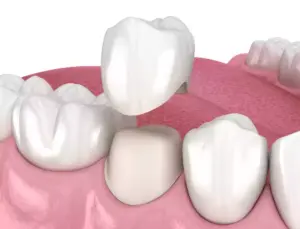
A dental crown is a custom-fitted prosthetic cap that encases the visible portion of a compromised tooth above the gum line. It restores the tooth’s original shape, size, strength, and function while protecting the underlying structure from further fracture or microbial invasion.
The success of this restorative treatment depends heavily on the composition of the restoration. When prosthodontists evaluate dental crown materials, they balance several critical clinical criteria:
- Compressive and flexural strength: The crown must withstand daily masticatory forces without fracturing, especially in the posterior region where chewing pressure peaks.
- Biocompatibility: The restoration rests against soft gingival tissues and saliva, meaning it must integrate without causing chronic inflammation, allergic responses, or soft tissue recession.
- Optical translucency and shade matching: Front teeth demand materials that replicate the subtle depth, natural fluorescence, and gradient translucency of natural enamel.
- Conservative tooth reduction: Some compositions require removing substantial healthy enamel to achieve sufficient thickness, whereas denser alternatives allow for minimal preparation work.
- Opposing dentition wear: A restoration must be strong, yet gentle enough not to grind down or crack the natural teeth directly opposing it during chewing.
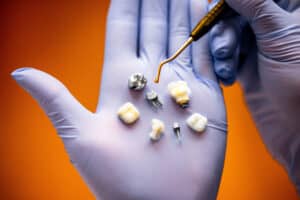
4 Most common dental crown materials explained
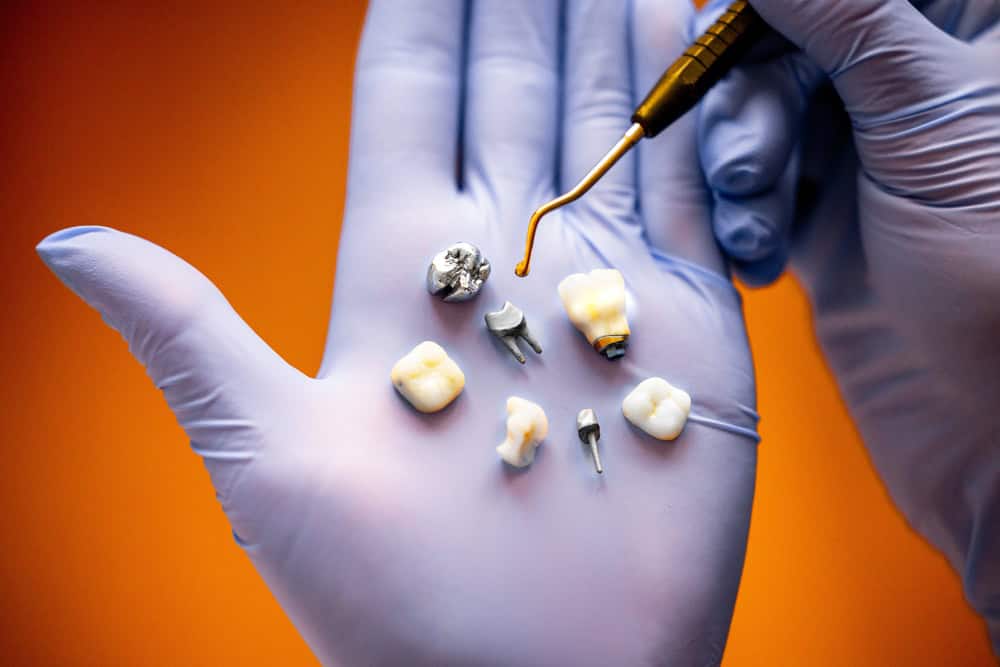
Restorative dentistry categorizes full-coverage restorations into metal, ceramic, and hybrid compositions. Below is a detailed breakdown of the premier dental crown materials used in modern clinical practice.
1. Zirconia (Zirconium dioxide)
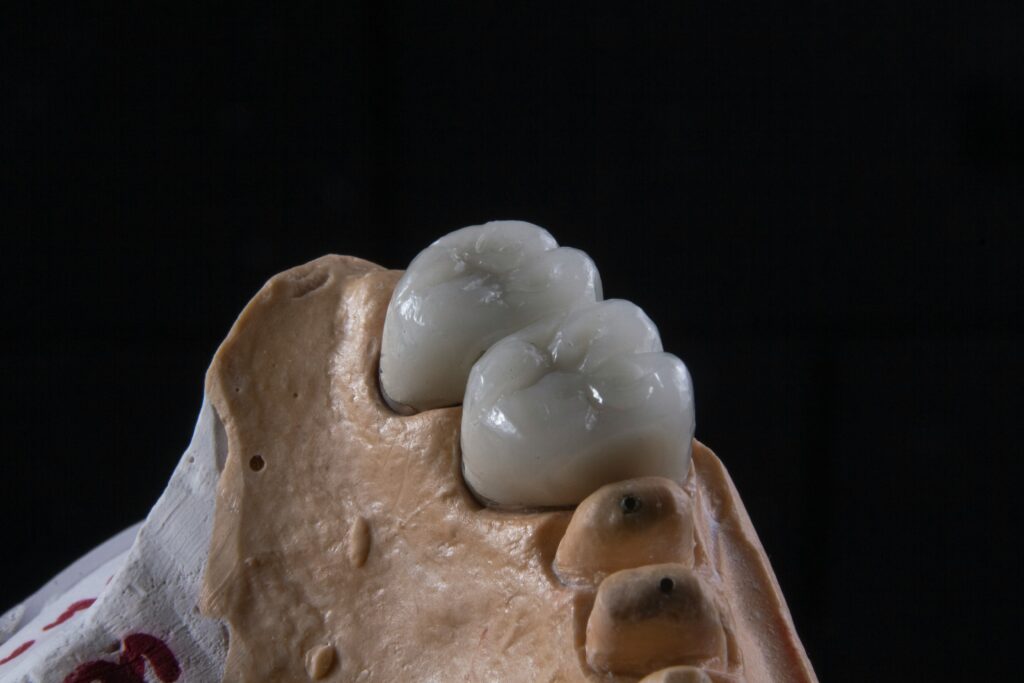
Zirconia has revolutionized restorative dentistry, rapidly becoming one of the most widely recommended dental crown materials worldwide. Milled from solid blocks of biocompatible ceramic using computer-aided design and computer-aided manufacturing (CAD/CAM) technology, zirconia provides exceptional tensile strength.
- Monolithic zirconia: Fabricated from a solid piece of sintered zirconia, this variation offers virtually unbreakable performance. It resists fracture under extreme biting forces, making it the premier choice for molars, bruxism patients who grind their teeth, and multi-unit posterior bridges.
- Layered (translucent) zirconia: Features a strong zirconia core layered with aesthetic porcelain on the outer surface. This design balances core fracture resistance with natural translucency, making it suitable for both premolars and anterior teeth.
- Clinical advantages: Minimal tooth preparation required, zero risk of allergic metal sensitivity, and exceptional edge stability.
2. Lithium disilicate (E-Max)
For restorations in the aesthetic zone, specifically the incisors and canines visible when smiling, lithium disilicate stands out among modern dental crown materials. Known commercially as IPS e.max, this glass-ceramic material mimics the optical properties of natural tooth enamel better than almost any alternative.
- Aesthetic superiority: Its glass matrix allows light to penetrate and scatter naturally, eliminating the chalky, opaque appearance often seen in older dental work.
- Adhesive bonding: E-Max restorations bond chemically to the remaining tooth structure with resin cements, creating a unified, leak-resistant seal.
- Ideal application: Best reserved for single anterior restorations, veneers, and premolars where biting forces are moderate and lifelike aesthetics are the top priority.
3. Porcelain-fused-to-metal (PFM)
For decades, porcelain-fused-to-metal served as the clinical gold standard across global dentistry. A PFM crown combines a cast metal substructure (often noble or base metal alloys) with an overlying aesthetic porcelain veneer baked on top.
- Dual nature: The metal substructure delivers proven mechanical stability and dependable marginal fit, while the outer ceramic provides natural tooth shading.
- Limitations in modern practice: Because the opaque metal core prevents light transmission, PFM restorations can look somewhat lifeless under direct lighting. Over time, as natural gum margins recede, a dark metallic line often becomes visible along the gumline. Furthermore, aggressive shearing forces can cause the outer porcelain layer to chip away from the metal foundation.
4. Full cast gold and metal alloys
While rarely chosen today for visible teeth due to aesthetic preferences, gold and noble metal alloys remain among the most durable, time-tested dental crown materials in dental history.
- Biomechanical harmony: Gold possesses a coefficient of thermal expansion and wear characteristics remarkably similar to natural human enamel. It will not wear down opposing natural teeth, even under chronic clenching.
- Longevity: Full metal crowns rarely fracture or chip, often lasting three decades or more with proper hygiene. They are primarily utilized on second molars hidden from view.
Evaluating performance across materials
Comparing these dental crown materials demonstrates that no single option fits every clinical scenario:
- Monolithic zirconia: Delivers exceptionally high fracture resistance with good aesthetics. It requires minimal tooth reduction and is the leading solution for heavy-load posterior molars.
- Lithium disilicate (E-Max): Provides lifelike, exceptional aesthetics and translucent depth with moderate-to-high strength. It demands conservative preparation and excels on incisors, canines, and premolars.
- Porcelain-fused-to-metal: Balances high core strength with moderate aesthetic matching. It requires moderate-to-aggressive enamel preparation and serves well for long-span posterior bridgework.
- Full gold alloys: Delivers unmatched mechanical durability and wear kindness to adjacent teeth with minimal reduction, although its metallic tone limits placement to hidden second molars.
Your dentist will evaluate your smile line, bite pattern, and tooth location before recommending the optimal restoration.
Factors that influence longevity and performance
A high-grade restoration can function smoothly for fifteen to twenty years, but its lifespan depends on factors extending beyond the material alone:
- Precision of marginal seal: Even the most advanced dental crown materials will fail if the restoration does not seal cleanly against the tooth finish line. Poor margins allow microleakage and secondary decay beneath the crown.
- Digital impressions and milling: Digital intraoral scanners eliminate the distortion common with traditional putty impressions, leading to tighter fits and healthier gum tissue.
- Oral hygiene habits: While crowns cannot get cavities, the natural tooth supporting them along the gumline remains vulnerable to plaque buildup and periodontal disease.
- Occlusal habits: Patients with untreated nocturnal bruxism should wear a protective custom nightguard to prevent micro-fracturing along ceramic edges.
How to select the right option for your tooth
Navigating the various dental crown materials requires clear communication with your restorative provider. During your clinical exam, consider discussing:
- Tooth position: Is the tooth subjected to heavy vertical grinding (molars) or visible during social interactions (front smile line)?
- Remaining natural structure: How much healthy tooth structure remains above the gumline to retain the restoration?
- Cosmetic priorities: Are you seeking a completely seamless blend in the anterior zone, or is structural longevity your primary focus?
- Existing allergies: Patients with metal sensitivities should strictly opt for metal-free ceramics like high-translucency zirconia or lithium disilicate.
Working closely with a skilled clinician ensures your choice balances cosmetic expectations with long-term functionality.
Choosing the right clinic for your treatment
Finding the ideal restoration is not just about the material, it also depends on accurate diagnosis and careful placement. If you are exploring options for dental crowns Tijuana offers accessible, quality care for patients seeking personalized restorative treatments. At Dental Easy Care, the focus is on helping each patient evaluate the right dental crown materials for their specific oral health needs, ensuring your finished restoration delivers long-term comfort, function, and aesthetic balance.
Caring for your finished restoration
Once your custom crown is permanently cemented, preserving it involves straightforward preventive maintenance:
- Brush twice daily: Clean along the crown-to-gum junction using a soft-bristled toothbrush and non-abrasive fluoride toothpaste.
- Floss daily: Slide dental floss gently down the sides of the crown and pull it through smoothly rather than snapping it upward, which could dislodge provisional cement.
- Schedule regular checkups: Routine dental cleanings and professional examinations allow your dentist to check margin integrity and verify that your bite remains balanced over time.
Selecting the right restoration is an investment in your comfort, function, and smile aesthetics. By evaluating the mechanical traits and visual benefits of today’s leading dental crown materials, you can move forward with confidence, knowing your restored tooth is built for lasting performance.