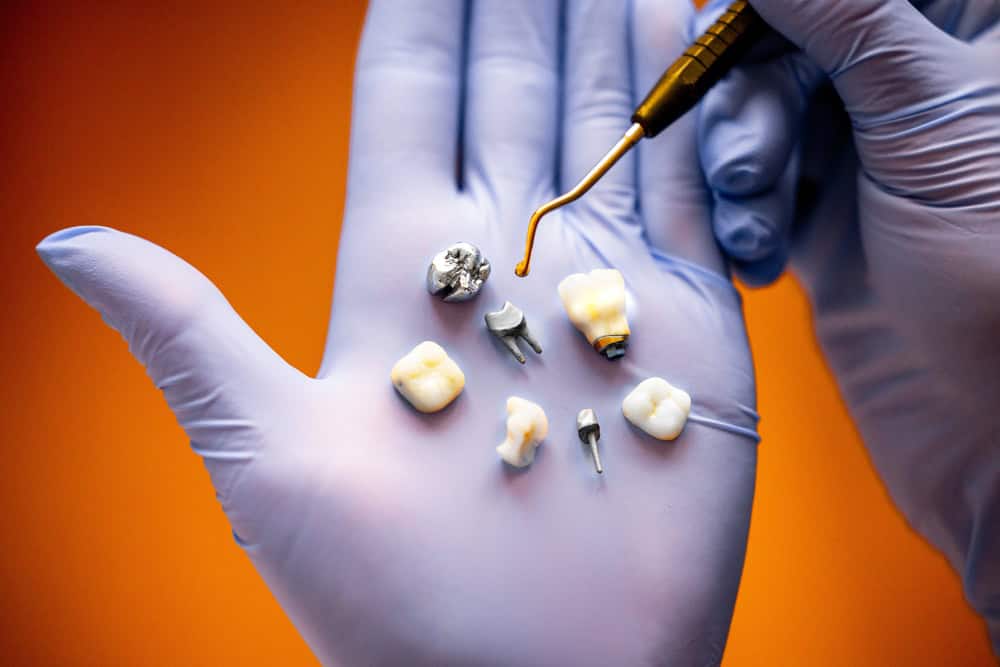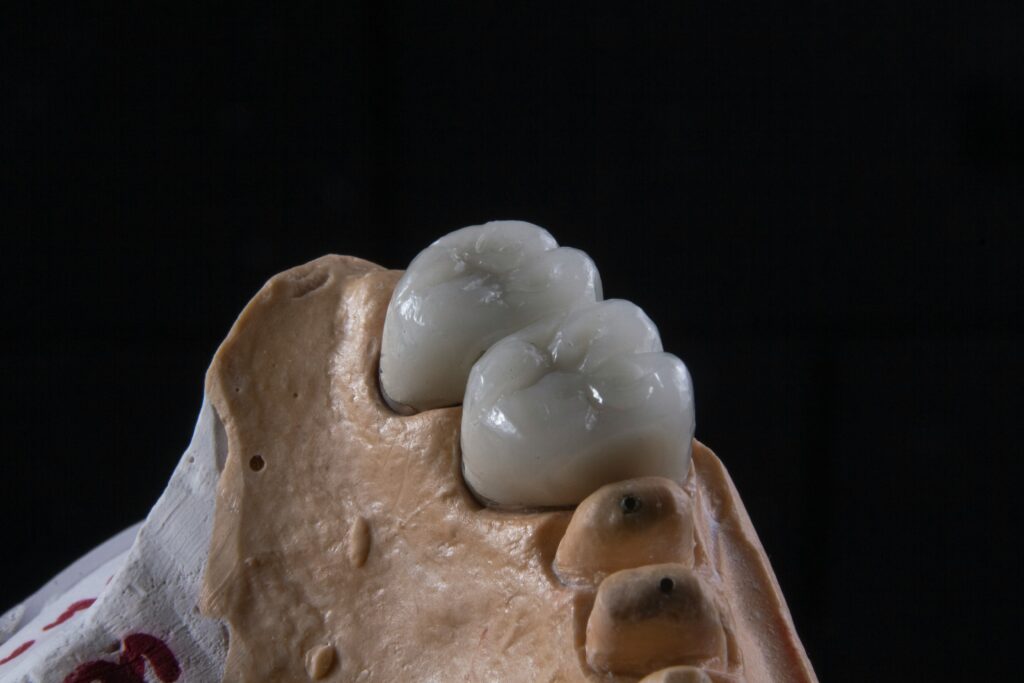

A dental crown should feel like a natural part of your bite, not something you notice every time you eat or brush. If it becomes painful, loose, or difficult to chew with, it may be time to have it checked. Some dental crown problems are minor and easy to fix, while others can signal decay or damage to the tooth underneath. Recognizing changes early gives your dentist a better chance to protect the remaining tooth structure and recommend appropriate treatment.
Common signs your crown needs attention
Symptoms can develop gradually, and not every problem causes intense pain. A dental examination can help identify dental crown problems before they become more complicated.
Pain or sensitivity around a crown
A brief twinge when you drink something cold may have a simple cause, but lingering or worsening pain deserves attention. Sensitivity can occur when the tooth’s nerve is irritated, the crown no longer fits closely, or decay has developed at its edge.
Contact your dentist if discomfort continues, returns repeatedly, or interferes with eating. Pain that wakes you at night, throbs, or becomes more intense may indicate a deeper problem.
A loose, cracked, or broken crown
A crown that rocks, shifts, or feels as if it might come off can signal dental crown problems and no longer provides reliable protection. You may also notice a crack, a sharp edge, or a piece missing. These dental crown problems should be checked promptly because an exposed tooth can become sensitive or sustain further damage.
If the crown comes off, keep it in a clean container and call your dentist for advice. Avoid chewing on that side, and never try to glue the crown back in place with household adhesive.
Swelling, redness, or bleeding near the crown
Dental crown problems may involve gums that look red, feel tender, or bleed when you brush because of plaque, a rough edge, or a poor fit. Swelling or a persistent bad taste can sometimes indicate infection.
Changes in your bite or trouble chewing
Dental crown problems can include a crown that feels too tall and makes your teeth meet unevenly. You may feel pressure on one tooth, have trouble chewing comfortably, or notice jaw soreness. Your dentist can check the contact points and adjust the fit if needed.

Why crown problems happen
Understanding the cause helps your dentist decide which treatment is likely to work.
Wear, accidental damage, or grinding
Dental crown problems can develop as years of chewing wear down dental materials. Biting hard objects, chewing ice, or experiencing an accident can chip or fracture a crown.
Grinding and clenching place repeated force on teeth, particularly during sleep. Over time, this pressure can wear down, crack, or loosen a crown. A night guard may help protect restorations from dental crown problems.
Tooth decay beneath or around the crown
A crown covers the visible portion of a tooth, but the edge where the crown and tooth meet still needs careful cleaning. Plaque can collect there, and decay may develop if bacteria remain. Regular examinations help identify concerns that are not obvious.
Poor fit, bite alignment, or cement failure
Dental crown problems can result when a crown does not fit closely, traps food, or irritates the gums. If the bite is uneven, extra pressure may loosen or damage the restoration. Dental cement can also weaken over time, allowing a crown to shift or come off. Dental crown problems can have different causes, so treatment should be based on an examination rather than guesswork.
When to see a dentist
A dentist can assess dental crown problems and determine whether symptoms come from the crown, the tooth beneath it, or nearby gums. Arrange an appointment if you notice persistent pain, looseness, a crack, bleeding, swelling, or a bite change.
Seek urgent dental advice for severe or rapidly worsening pain, facial swelling, pus, or fever. These symptoms may indicate an infection that needs prompt treatment. If swelling affects breathing or swallowing, seek emergency medical care immediately rather than waiting for a dental appointment.
What to do before your appointment
Keep the area clean with gentle brushing and flossing. Choose soft foods and avoid chewing on the affected side, especially if the crown is loose or the tooth is sensitive. If the crown has come off, save it and do not use glue to put it back.

How dentists diagnose and treat crown problems
Your dentist will ask when symptoms began, examine the crown and surrounding tissues, and check how your teeth meet. Dental imaging may help reveal decay, infection, or damage that cannot be seen during a visual exam.
Examination and dental imaging
X-rays can show problems beneath the crown or around the tooth roots. Your dentist may also inspect the crown's edges, check its stability, and assess the gums for inflammation.
Repair, recementing, or replacement
A small chip may sometimes be smoothed or repaired. If the crown is intact but has come loose, your dentist may clean and recement it after checking the tooth underneath. A cracked, worn, or poorly fitting crown may need replacement. Dental crown problems do not all require a new restoration, so an accurate diagnosis should guide the decision.
Treating decay or infection
If decay is found, your dentist will determine how much tooth structure remains and remove damaged tissue. Depending on the extent, treatment may involve a filling, root canal treatment, or a new crown. If infection is present, addressing its source is essential; antibiotics alone may not resolve the underlying dental problem.
If the tooth cannot be restored predictably, other options may include extraction and tooth replacement. Your dentist can explain the benefits, risks, and likely timeline for each approach.
How to prevent future crown problems
Routine maintenance can reduce avoidable damage and support the health of your gums.
Brush twice a day with fluoride toothpaste, paying close attention to the gumline around the crown. Floss daily, guiding the floss gently between teeth rather than snapping it against the gums. Clean crown margins help limit plaque buildup and decay near the edge.
Avoid chewing ice, hard candy, and other objects that can crack a crown. If you grind your teeth, ask whether a night guard is appropriate. Regular examinations allow your dentist to monitor the crown’s fit, the health of the supporting tooth, and the condition of your gums. Report changes early, since dental crown problems are often easier to treat before pain or damage becomes severe.
Restore your smile with Dental Easy Care
If you need a new restoration or your current crown requires attention, Dental Easy Care can assess your needs and explain suitable treatment options. For patients considering dental crowns in Tijuana, our clinic offers a convenient option for restorative dental care with attention to fit, function, and appearance. A careful evaluation can help determine whether your crown can be repaired or whether replacement is the better choice. Contact Dental Easy Care to discuss your concerns and plan treatment around the health of your tooth and the comfort of your smile.