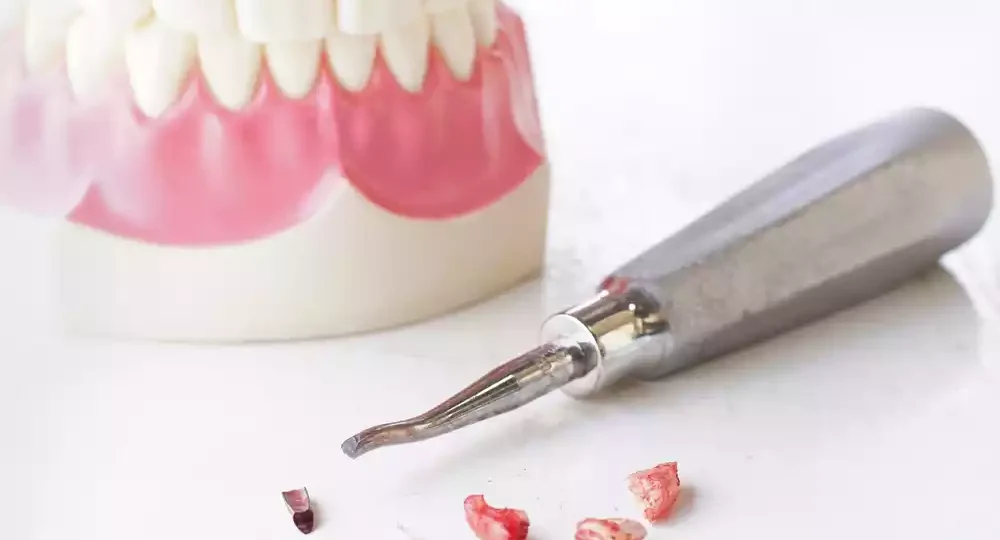
Orthodontic trauma can be a distressing experience, especially if it results from an accidental hit. Whether it’s a sports injury, car accident, or a simple mishap at home, knowing how to handle the situation is crucial for preserving your dental health and ensuring a swift recovery. In this guide, we’ll walk you through the steps to take immediately after experiencing orthodontic trauma and how to care for your braces or other orthodontic appliances.
Understanding an Orthodontic Trauma
Orthodontic trauma refers to any injury to the teeth, gums, or surrounding tissues that occurs when wearing braces or other orthodontic devices. Such trauma can range from minor discomfort and loose wires to more severe issues like broken brackets or displaced teeth. Recognizing the signs of orthodontic trauma and responding promptly can minimize damage and improve recovery outcomes.

Immediate Steps to Take After Orthodontic Trauma
1. Assess the Damage
The first step after experiencing orthodontic trauma is to assess the extent of the damage. Here are a few things to look for:
- Visible Damage: Check if any brackets, wires, or bands are broken or loose. Inspect your teeth and gums for any noticeable injuries.
- Pain and Discomfort: Note any pain, swelling, or discomfort in your mouth and surrounding areas.
- Tooth Mobility: Gently test if any teeth feel loose or out of place.
2. Manage Pain and Swelling
Pain and swelling are common after experiencing orthodontic trauma. Here’s how to manage them effectively:
- Cold Compress: Apply a cold compress to the affected area to reduce swelling and numb the pain. Use the compress for 15-20 minutes at a time.
- Pain Relievers: Over-the-counter pain relievers, such as ibuprofen or acetaminophen, can help alleviate pain and reduce inflammation.
3. Preserve Any Dislodged Parts
If any brackets, wires, or other orthodontic parts have come loose or fallen out, try to preserve them. Place any dislodged parts in a clean container and bring them with you to your orthodontist appointment.
4. Avoid Certain Foods
In the period following orthodontic trauma, avoid hard, crunchy, or sticky foods that could exacerbate the damage. Stick to soft foods and liquids until you can see your orthodontist.
5. Contact Your Orthodontist
It’s crucial to contact your orthodontist as soon as possible after experiencing orthodontic trauma. He can provide specific instructions on how to care for your injuries and schedule an emergency appointment if necessary. Quick action can prevent further damage and ensure proper healing.
At the Orthodontist: What to Expect
When you visit your orthodontist following orthodontic trauma, here’s what you can generally expect:
Examination and X-Rays
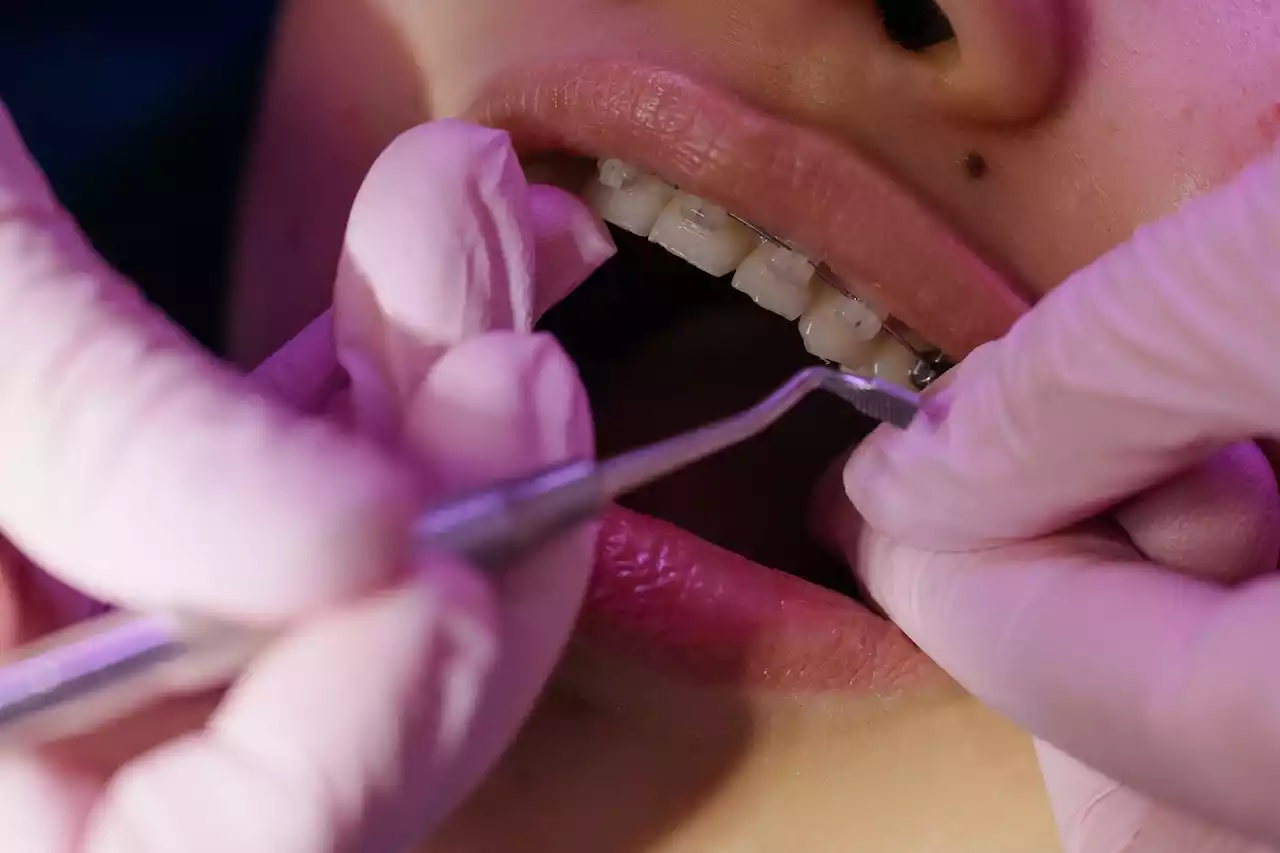
Your orthodontist will perform a thorough examination of your mouth, teeth, and gums to assess the extent of the damage. They may also take X-rays to get a clearer picture of any underlying issues.
Repairing or Replacing Damaged Parts
Depending on the severity of the trauma, your orthodontist will either repair or replace damaged brackets, wires, or other orthodontic components. For minor issues, they may simply reposition or reattach the affected parts.
Addressing Tooth Injuries
If you have any tooth injuries, such as chips, cracks, or displacement, your orthodontist will recommend the appropriate treatment. This could involve restorative procedures like bonding or even discussing more significant options like dental implants if necessary.
Pain Management and Aftercare
Your orthodontist will provide guidance on managing pain and caring for your orthodontic appliances after the trauma. This may include instructions on oral hygiene, dietary restrictions, and follow-up appointments to monitor your recovery.
Preventing Future Orthodontic Trauma
While accidents are sometimes unavoidable, there are steps you can take to minimize the risk of future orthodontic trauma:
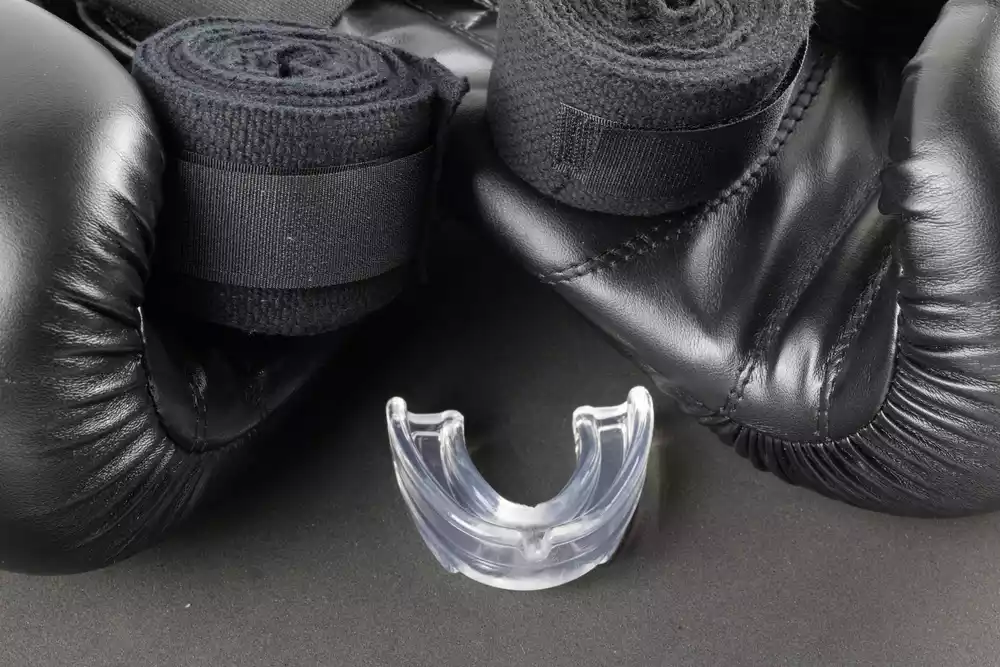
- Wear Protective Gear: If you play sports, especially contact sports, always wear a mouthguard to protect your teeth and orthodontic appliances.
- Be Mindful of Your Surroundings: Avoid situations where you could easily bump or hit your mouth, such as engaging in rough play or not paying attention to your environment.
- Follow Orthodontic Instructions: Adhere to your orthodontist’s guidelines regarding foods to avoid and how to care for your braces or aligners properly.
Recognizing Severe Orthodontic Trauma and Seeking Immediate Care
While some trauma can be managed with an orthodontist’s guidance, severe cases require immediate medical attention. Here’s when to seek urgent care:
- Severe Bleeding: If you experience uncontrollable bleeding from the mouth, seek emergency medical help.
- Displaced Teeth: If a tooth has been knocked out or severely misplaced, immediate dental care is essential to increase the chances of saving the tooth.
- Severe Pain: Intense, unrelenting pain may indicate a more serious injury requiring prompt intervention.
The Role of Follow-Up Appointments
Follow-up appointments are vital for ensuring that the treatment for your trauma is progressing well. During these visits, your orthodontist will:
- Monitor Healing: Check how the affected areas are healing and ensure there are no complications.
- Adjust Appliances: Make necessary adjustments to your braces or other orthodontic appliances to accommodate any changes caused by the trauma.
- Provide Ongoing Care: Offer additional recommendations and care instructions to support your recovery and prevent future incidents.

When to Consider Advanced Dental Treatments
In some cases, trauma can lead to dental issues that require more advanced treatment, such as dental implants. Dental implants can be an excellent solution for replacing severely damaged or lost teeth, restoring both function and appearance.
Quick Action is Key
Experiencing orthodontic trauma can be challenging, but quick and appropriate responses can make a significant difference in your recovery. Knowing what steps to take immediately after an accidental hit and understanding what to expect from your orthodontist can help you manage the situation effectively.
Contact Dental Easy Care for Dental Implants
If your trauma has resulted in the need for more advanced dental treatments, such as dental implants, consider the expertise and care offered at Dental Easy Care. Our skilled team is dedicated to providing exceptional dental implant services tailored to your unique needs. Contact us today to schedule a consultation and take the first step towards restoring your smile with high-quality dental implants in Tijuana.