
A cracked tooth may seem like a minor dental issue, but even a small fracture can lead to significant complications if left untreated. Because cracks are not always visible, many patients dismiss the warning signs until the damage becomes more severe. Recognizing the symptoms of cracked tooth early can help prevent infections, extensive dental procedures, and even tooth loss.
Whether caused by an accident, teeth grinding, or everyday wear and tear, a cracked tooth requires professional attention. Understanding the causes, warning signs, and treatment options can help you take action before the condition worsens.
What causes a cracked tooth?
Teeth are incredibly strong, but they are not indestructible. Over time, various factors can weaken the tooth structure and increase the risk of fractures.
Dental trauma and accidental injuries
One of the most common causes of a cracked tooth is trauma. Sports injuries, falls, vehicle accidents, or biting down unexpectedly on a hard object can all cause a tooth to fracture.
In some cases, the crack may be immediately noticeable. In others, symptoms develop gradually as the fracture expands with everyday chewing and biting.
Teeth grinding and excessive pressure
Bruxism, commonly known as teeth grinding, places significant pressure on the teeth. Many people grind their teeth during sleep without realizing it.
Over time, this constant stress can weaken enamel and contribute to the development of cracks. In fact, unexplained jaw soreness and some symptoms of cracked tooth are often associated with untreated bruxism.
Large fillings and weakened tooth structure
Teeth that have undergone extensive dental work may be more susceptible to fractures. Large fillings can leave less natural tooth structure intact, making the tooth more vulnerable to cracking under pressure.
Similarly, untreated cavities can weaken a tooth and increase the likelihood of structural damage.
Different types of tooth cracks
Not every crack affects a tooth in the same way. Understanding the different types and symptoms of cracked tooth can help explain why treatment recommendations vary from patient to patient.
Craze lines
Craze lines are tiny superficial cracks that affect only the enamel. They are generally harmless and rarely cause discomfort, but they should still be monitored during routine dental visits.
Fractured cusps
A fractured cusp occurs when part of the chewing surface breaks away. While discomfort may occur, the damage often does not affect the inner portion of the tooth.
Split teeth
A split tooth is a more severe condition in which the fracture extends through the tooth structure. Depending on the extent of the damage, treatment may involve restorative procedures or extraction.
Vertical root fractures
These fractures begin below the gum line and often remain unnoticed until symptoms appear. Because they can affect the surrounding bone and tissues, prompt diagnosis is essential.
7 symptoms of cracked tooth that require attention
Recognizing the symptoms of cracked tooth early can make a significant difference in preserving the affected tooth. The following warning signs should never be ignored.
1. Pain when chewing
One of the most common symptoms of cracked tooth is discomfort while chewing. The pain may occur only when biting down or when releasing pressure from the tooth.
Because the discomfort can come and go, many patients mistakenly assume the issue will resolve on its own.
2. Sensitivity to hot and cold temperatures
If you experience sudden discomfort when consuming hot coffee, cold beverages, or ice cream, a crack may be exposing the inner layers of the tooth.
Temperature sensitivity is frequently among the earliest symptoms of cracked tooth and often becomes more noticeable over time.
3. Intermittent tooth pain
Unlike cavities, which often cause continuous discomfort, cracked teeth can produce pain that appears unpredictably.
You may feel fine for days or weeks before experiencing another painful episode, making diagnosis more challenging without professional evaluation.
4. Swollen or tender gums
Localized swelling around a specific tooth may indicate that bacteria have entered through a crack.
This symptom should never be ignored, as infection can spread to surrounding tissues and create more serious oral health concerns.
5. Tooth discoloration
A tooth that becomes darker than neighboring teeth may have sustained internal damage. This discoloration can occur when the crack affects the pulp, reducing the tooth's vitality.
6. Persistent bad taste in the mouth
When bacteria accumulate within a fractured tooth, an unpleasant taste or odor may develop.
Although not always present, this can be one of the lesser-known symptoms of cracked tooth associated with infection.
7. Recurring headaches or jaw discomfort
Cracked teeth can alter the way you bite and chew, placing additional stress on the jaw muscles.
As a result, some patients experience headaches, facial tension, or jaw soreness without realizing that a damaged tooth may be the underlying cause.
Why ignoring symptoms of cracked tooth can lead to serious problems
Many people delay treatment because their symptoms seem manageable. Unfortunately, cracks rarely heal on their own. Ignoring the symptoms of cracked tooth can allow the damage to worsen over time, increasing the risk of infection, nerve damage, and more complex dental procedures.
Risk of infection
A fracture can create a pathway for bacteria to enter the tooth. Once infection develops, treatment often becomes more complex and may require root canal therapy.
Damage to the tooth nerve
As the crack deepens, it may reach the pulp, where nerves and blood vessels are located. At this stage, pain often becomes more severe and persistent.
Tooth loss and more complex treatments
When a crack progresses too far, saving the tooth may no longer be possible. Early treatment is usually less invasive, less expensive, and more predictable than addressing advanced damage.
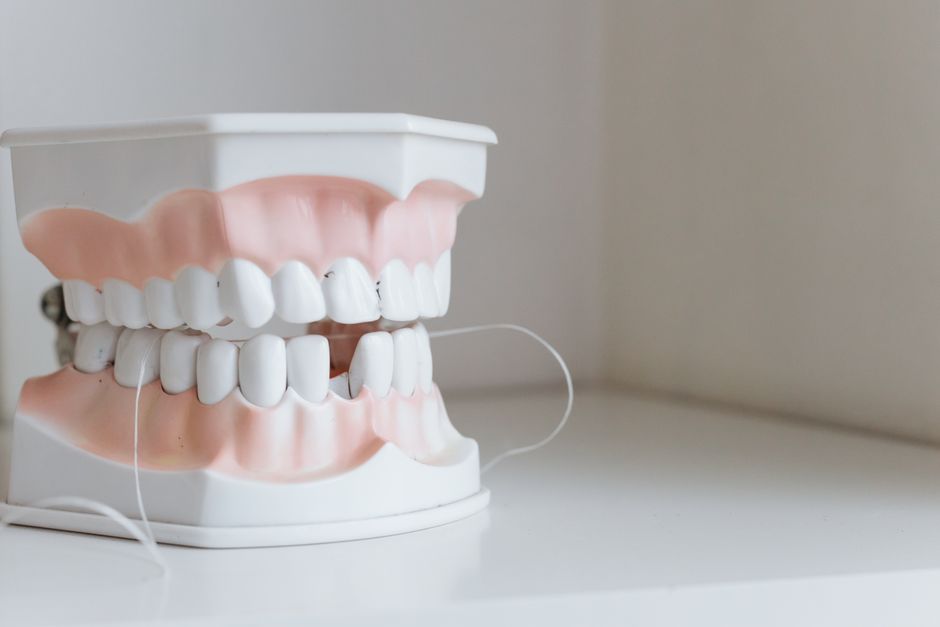
Treatment options for a cracked tooth
Treatment depends on the size, location, and severity of the fracture. The appropriate solution will often depend on the extent of the damage and the symptoms of cracked tooth a patient is experiencing.
Dental bonding for minor cracks
Small cracks may be repaired using composite bonding material. This treatment restores appearance and provides additional support to the damaged area.
Root canal therapy for deep fractures
When a crack reaches the pulp, root canal treatment may be necessary to remove infected tissue and preserve the tooth.
Dental crowns for long-term protection
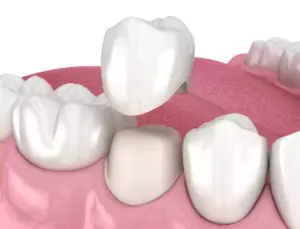
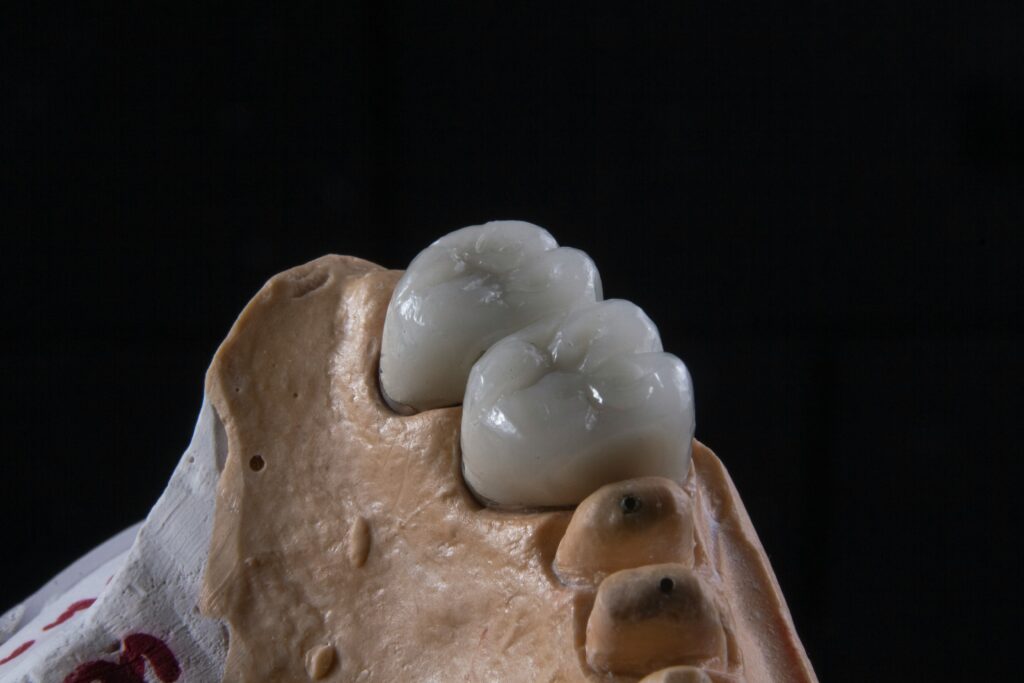
Dental crowns are among the most effective solutions for moderate to severe fractures. A crown covers the entire visible portion of the tooth, protecting it from further damage while restoring strength and function.
For many patients experiencing symptoms of cracked tooth, crowns provide a reliable long-term solution that allows them to chew comfortably and maintain their natural smile.
When tooth extraction may be necessary
If the fracture extends too far below the gum line or severely compromises the tooth structure, extraction may be the most appropriate option.
Your dentist can determine whether the tooth can be preserved or if replacement alternatives should be considered.
How to reduce the risk of future tooth cracks
Although not all fractures can be prevented, certain habits can help protect your teeth.
Protecting teeth From excessive pressure
If you grind your teeth at night, a custom night guard can reduce stress on your enamel and decrease the risk of fractures.
Maintaining regular dental visits
Routine dental examinations allow potential problems to be identified before they become more serious.
Early detection often helps prevent many symptoms of cracked tooth from developing into extensive damage.
Avoiding habits that damage teeth
Avoid chewing ice, opening packages with your teeth, or biting excessively hard foods. These habits can increase the likelihood of fractures and other dental injuries.
Protect your smile before a small crack becomes a bigger problem
Recognizing the symptoms of cracked tooth early can help prevent unnecessary pain, infection, and costly dental procedures. Pain when chewing, sensitivity, swelling, discoloration, and recurring discomfort are all signs that should be evaluated by a dental professional as soon as possible.
In many cases, prompt treatment can preserve the natural tooth and restore full function before the damage becomes more extensive. For teeth that have been weakened by fractures, dental crowns often provide the protection and stability needed to prevent further complications.
At Dental Easy Care, we offer personalized restorative solutions designed to protect damaged teeth while preserving the appearance and function of your smile. If you are exploring options for dental crowns in Tijuana, our experienced team can evaluate your condition and recommend the most appropriate treatment for your needs.
Schedule a consultation with Dental Easy Care and learn how modern restorative dentistry can help strengthen your smile and support your long-term oral health.