Tooth decay and heart disease may seem like two unrelated health issues, but growing research shows a significant connection between oral health and cardiovascular health. Understanding the link between tooth decay and heart disease is crucial for maintaining overall well-being. In this blog, we will delve into the hidden relationship between these two conditions and provide insights on how to protect your health.
Understanding Tooth Decay
Tooth decay, also known as dental caries, is a common condition that occurs when plaque—a sticky film of bacteria—breaks down sugars in the mouth, producing acids that erode tooth enamel. If left untreated, tooth decay can lead to cavities, infections, and tooth loss. Maintaining good oral hygiene is essential to prevent tooth decay and its associated complications.
The Connection Between Tooth Decay and Heart Disease
Several studies have highlighted a significant link between tooth decay and heart disease. Though the exact mechanisms are still being researched, here are some ways in which poor oral health may contribute to cardiovascular issues:
Chronic Inflammation
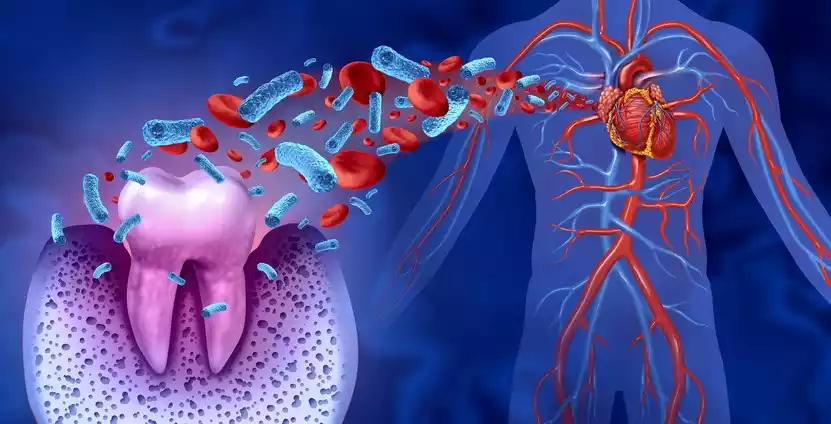
One of the primary connections between tooth decay and heart disease is chronic inflammation. When gum disease (periodontitis) results from untreated tooth decay, it can cause persistent inflammation in the gums. This inflammation can spread to other parts of the body, including the blood vessels, leading to increased risk of heart disease.
Bacterial Infection
The same bacteria responsible for tooth decay can enter the bloodstream through inflamed or bleeding gums. Once in the bloodstream, these bacteria can attach to fatty deposits in the arteries, contributing to the formation of plaque. This can result in atherosclerosis, a condition characterized by the hardening and narrowing of arteries, which significantly increases the risk of heart disease and stroke.
Immune Response
The body’s immune response to oral infections may also play a role in linking tooth decay and heart disease. The immune system’s response to oral bacteria involves the release of certain chemicals that can cause inflammation and damage in other parts of the body, including the cardiovascular system.
Shared Risk Factors
Tooth decay and heart disease share several common risk factors, such as poor diet, smoking, and diabetes. Lifestyle choices that negatively impact oral health can also contribute to cardiovascular problems.

Preventing Tooth Decay and Reducing Heart Disease Risk
Given the proven connection between tooth decay and heart disease, taking steps to maintain good oral health can have a positive impact on your cardiovascular health as well. Here’s how you can protect both your teeth and your heart:
Practice Good Oral Hygiene
Brush your teeth at least twice a day with fluoride toothpaste and floss daily to remove plaque and food particles. Use an antiseptic mouthwash to reduce bacteria in the mouth.
Regular Dental Check-ups
Visit your dentist regularly for check-ups and cleanings. Professional dental care helps detect and treat tooth decay in its early stages, preventing more serious complications.
Healthy Diet
Eat a balanced diet that is low in sugars and high in nutrients. Foods rich in vitamins and minerals, such as fruits, vegetables, and whole grains, promote both oral and cardiovascular health.
Quit Smoking
Smoking is a significant risk factor for both tooth decay and heart disease. Quitting smoking can improve your overall health and reduce the risk of these conditions.
Manage Medical Conditions
If you have diabetes, high blood pressure, or other medical conditions, work with your healthcare provider to manage them effectively. Proper management of these conditions can help prevent complications affecting your oral and cardiovascular health.

Professional Dental Care
Professional dental care plays a vital role in preventing tooth decay and mitigating the risk of heart disease. Dentists can identify early signs of oral health issues and provide treatments to address them before they progress.
Regular dental check-ups allow your dentist to:
- Diagnose and Treat Gum Disease: Early diagnosis and treatment of gum disease can prevent the chronic inflammation that contributes to cardiovascular problems.
- Monitor Oral Health: Dentists can closely monitor your oral health, providing guidance on effective oral hygiene practices and lifestyle choices that benefit your overall health.
- Provide Professional Cleanings: Dental cleanings remove plaque and tartar build-up that cannot be eliminated through regular brushing and flossing.
The Importance of Awareness
Raising awareness about the link between tooth decay and heart disease is essential for promoting better health practices. Educating people about this connection encourages them to take their oral health seriously and seek regular dental care.
Understanding that oral health is a key component of overall health motivates individuals to adopt preventive measures that improve both their dental and cardiovascular well-being.
Protect Your Heart by Caring for Your Teeth
The hidden link between tooth decay and heart disease underscores the importance of maintaining good oral hygiene and seeking regular dental care. By preventing tooth decay, you can reduce your risk of developing serious cardiovascular issues and promote overall health.

If you are looking for exceptional dental care, look no further than Dental Easy Care. Our experienced team is dedicated to helping you achieve optimal oral health and well-being. The best dentists in Tijuana are at Dental Easy Care, offering personalized care and state-of-the-art treatments.
Contact us today to schedule your appointment and take the first step towards a healthier smile and heart.