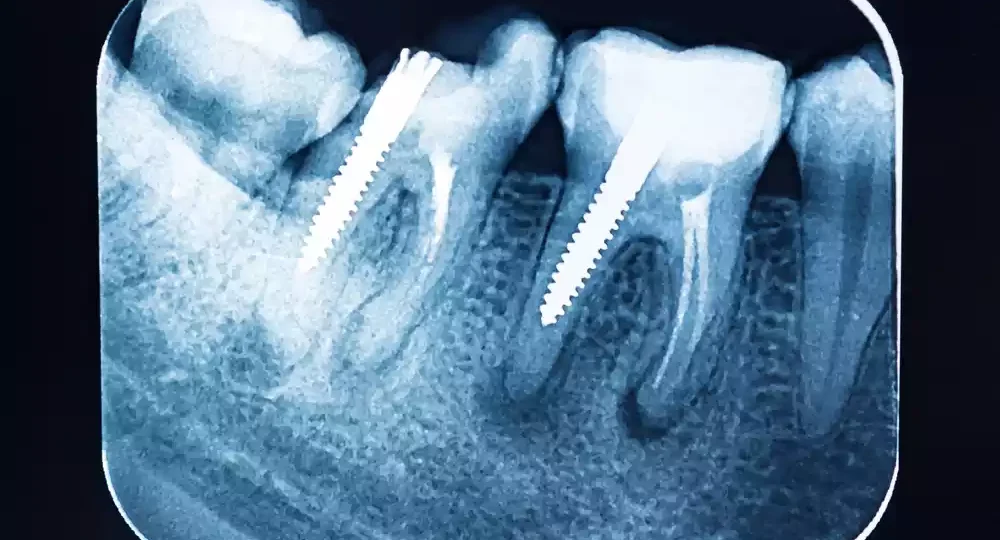
Dental implants are praised for their durability, functionality, and aesthetic appeal, making them a popular choice for tooth replacement. However, while implants have a high success rate, complications can occasionally occur. Understanding the potential issues can help you identify failed implant symptoms early, allowing for timely intervention and better outcomes. In this article, we will delve into the signs that may indicate a failing implant and what you can do to address the issue promptly.
What You Need To Know About Dental Implant Failure
Before diving into the failed implant symptoms, it’s essential to know what dental implant failure entails. Dental implant failure can occur when the implant does not properly integrate with the jawbone or when it becomes unstable over time. This can result from several factors, including poor bone quality, infection, inadequate oral hygiene, or excessive stress on the implant.

Early Failed Implant Symptoms to Watch For
Identifying failed implant symptoms early is crucial for preserving your oral health and preventing more severe complications. Here are some early signs to look out for:
1. Persistent Pain and Discomfort
While some discomfort is expected after implant surgery, persistent pain that does not subside over time can be a significant indicator of implant failure. This pain may be localized around the implant site and can vary in intensity. If you experience ongoing pain that doesn’t improve, it’s essential to consult your dentist to determine the cause.
2. Gum Inflammation and Swelling
Swelling and inflammation are common post-surgery, but they should gradually decrease as you heal. Persistent or worsening gum inflammation and swelling around the implant site can indicate an infection or other complications. If the gums appear red, puffy, and tender long after the initial healing period, it may be one of the failed implant symptoms that requires immediate attention.
3. Implant Mobility
A successful dental implant should feel stable and secure in the jawbone. If you notice any movement or loosening of the implant, it could be a sign of implant failure. Mobility in the implant indicates that it has not properly integrated with the bone or that bone loss is occurring around the implant.
4. Gum Recession
Gum recession around the implant site is another potential sign of implant failure. When the gums pull away from the implant, the metal post may become visible, indicating a loss of soft tissue or bone support. Gum recession can lead to increased sensitivity and a higher risk of infection.
5. Pus or Discharge
The presence of pus or discharge around the implant site is a clear indicator of infection, which can compromise the stability of the implant. If you notice any unusual discharge, it’s essential to seek prompt dental care to address the infection and prevent further complications.
6. Difficulty Chewing or Biting
If you experience difficulty chewing or biting down on the implant, it could be a sign of implant failure. The implant may not be properly aligned, or there could be an issue with the surrounding bone and tissue. Discomfort or pain while eating should not be ignored, as it may indicate an underlying problem with the implant.
Causes of Dental Implant Failure
Understanding the causes of dental implant failure can help you take preventive measures and recognize failed implant symptoms early. Here are some common reasons for implant failure:
- Poor Bone Quality or Quantity: Adequate bone density and volume are essential for successful implant integration. Insufficient bone can result in implant instability and failure.
- Infection: Bacterial infections can occur during or after implant surgery, leading to inflammation, bone loss, and implant failure.
- Excessive Stress: Excessive biting forces or improper placement can place undue stress on the implant, causing it to fail over time.
- Poor Oral Hygiene: Inadequate oral hygiene can lead to peri-implantitis, a condition similar to gum disease that affects the tissues and bone around the implant.
- Medical Conditions: Certain medical conditions, such as uncontrolled diabetes, can interfere with the healing process and increase the risk of implant failure.
- Smoking: Smoking is a significant risk factor for implant failure, as it impairs blood flow and healing, increasing the likelihood of complications.

Steps to Prevent Dental Implant Failure
While some factors contributing to implant failure may be beyond your control, there are steps you can take to minimize the risk and improve the chances of successful implant integration. Here are some preventive measures:
Choose a Skilled Implant Dentist
Selecting a highly experienced and reputable implant dentist is crucial for a successful outcome. A skilled dentist will thoroughly evaluate your oral health, bone quality, and medical history to determine if you are a suitable candidate for dental implants.
Follow Post-Surgery Instructions
Following your dentist’s post-surgery care instructions closely is essential for proper healing and implant integration. This includes maintaining good oral hygiene, avoiding hard or chewy foods, and attending follow-up appointments.
Maintain Excellent Oral Hygiene
Practicing good oral hygiene is vital for the longevity of your dental implants. Brush your teeth twice a day, floss daily, and use an antiseptic mouthwash to reduce bacteria in the mouth. Regular dental check-ups and professional cleanings are also essential for maintaining a healthy oral environment.
Avoid Smoking
If you smoke, quitting is one of the best things you can do for your oral and overall health. Smoking significantly increases the risk of implant failure, so it’s essential to avoid tobacco products to ensure successful implant integration.
Manage Medical Conditions
If you have medical conditions such as diabetes, work with your healthcare provider to manage them effectively. Proper management of chronic conditions can improve healing and reduce the risk of complications.
Be Mindful of Diet
A balanced diet rich in vitamins and minerals supports overall health and promotes healing. Avoid excessive consumption of sugary and acidic foods that can harm your teeth and gums.
What to Do if You Notice Failed Implant Symptoms
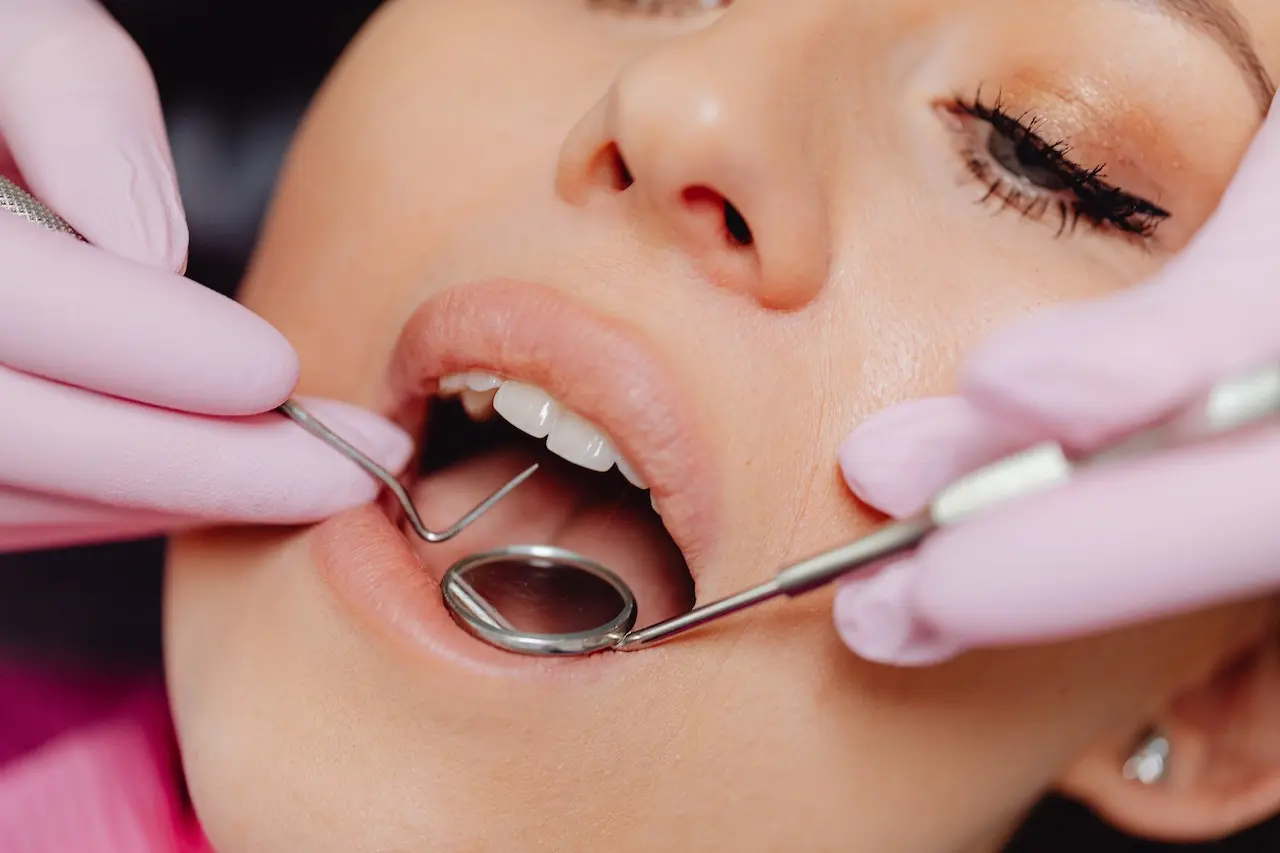
If you notice any of the failed implant symptoms mentioned above, it’s essential to take action promptly to address the issue and prevent further complications. Here are the steps to take:
Contact Your Dentist
Schedule an appointment with your dentist as soon as possible if you notice any signs of implant failure. Early intervention can prevent the problem from worsening and increase the chances of saving the implant.
Follow Professional Advice
Your dentist will evaluate the implant and surrounding tissues to determine the cause of the symptoms. Follow their recommendations and treatment plan to address the issue effectively.
Consider Implant Revision
In some cases, implant revision may be necessary to replace or adjust the failing implant. Your dentist will discuss your options and provide the best course of action based on your specific situation.
Trust the Experts for Dental Implants in Tijuana
Identifying failed implant symptoms early is crucial for protecting your oral health and ensuring the longevity of your dental implants. By being vigilant and proactive, you can address potential issues before they become severe complications.
At Dental Easy Care, our experienced team is dedicated to providing the best dental implants in Tijuana. We offer personalized care and state-of-the-art treatments to ensure successful outcomes for our patients. If you are experiencing any failed implant symptoms or are considering dental implants, trust the experts at Dental Easy Care for exceptional service and care.
Contact us today to schedule your consultation and discover why we are the best choice for dental implants.