Dental crowns are an excellent solution for restoring damaged or weakened teeth, helping you regain both function and confidence in your smile. Still, adjusting to eating with dental crowns may require a few mindful changes, especially in the first days after placement. Taking the right precautions can significantly extend the lifespan of your crown, prevent unnecessary wear, and ensure that your restored tooth stays as healthy and strong as possible. Below, you’ll find essential tips and practical habits that will help protect your smile while enjoying the foods you love.
The role of dental crowns
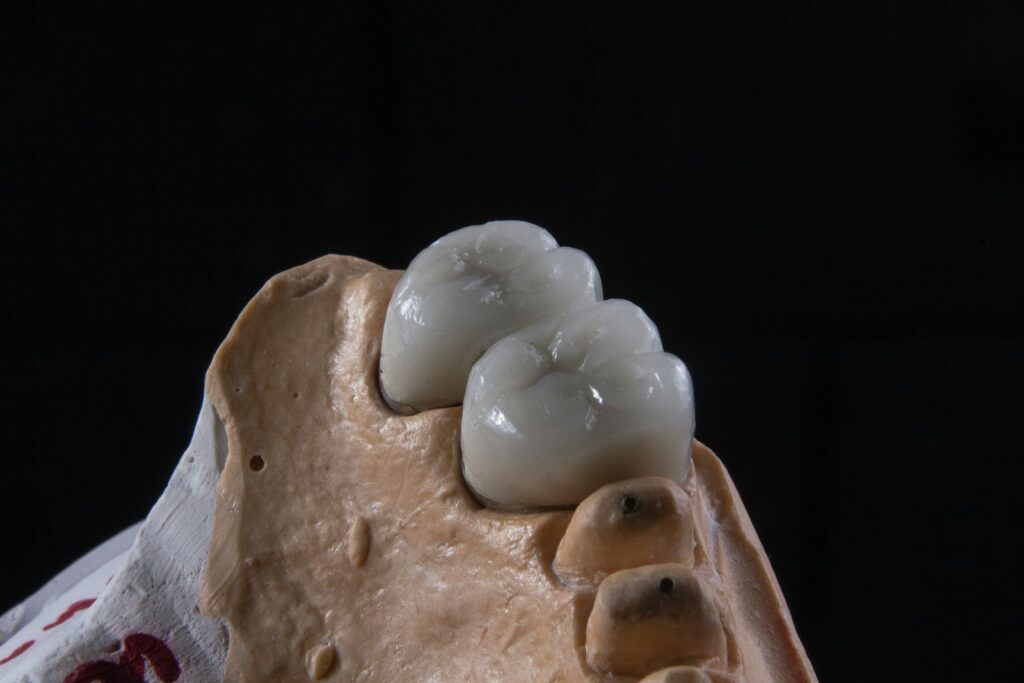
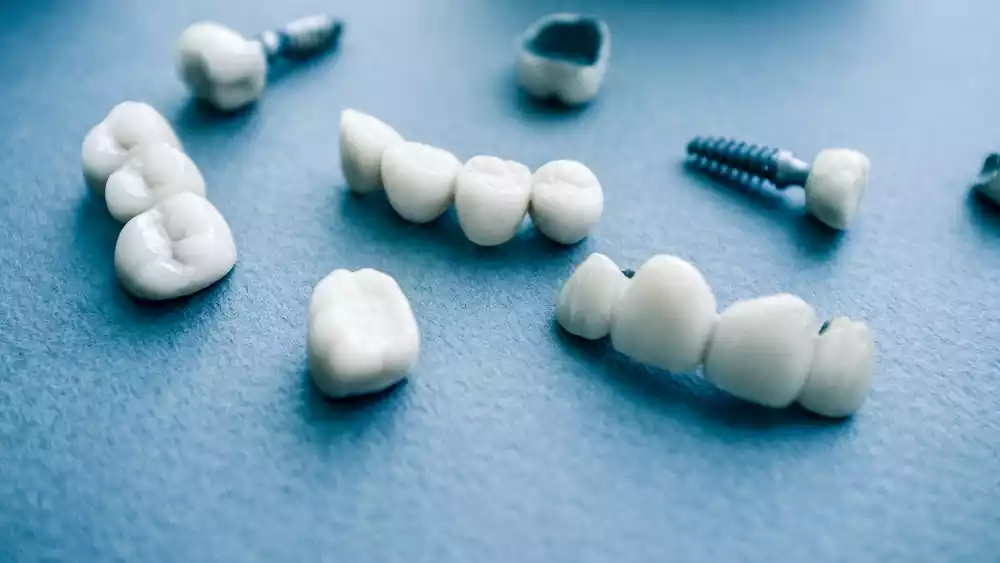
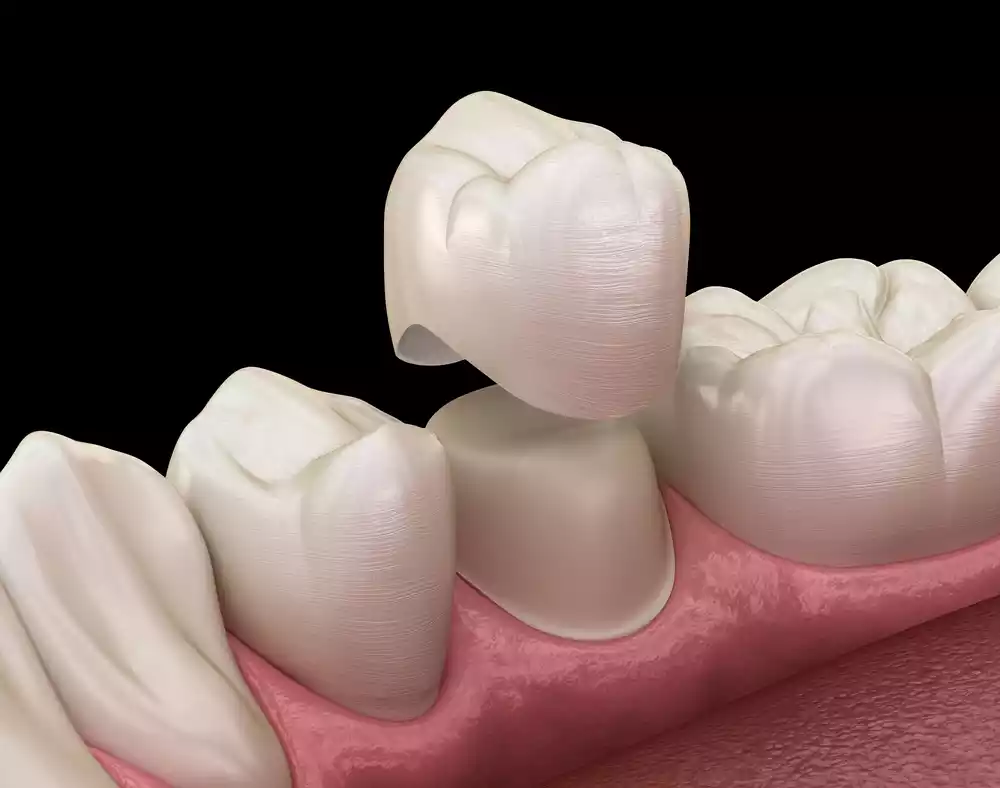
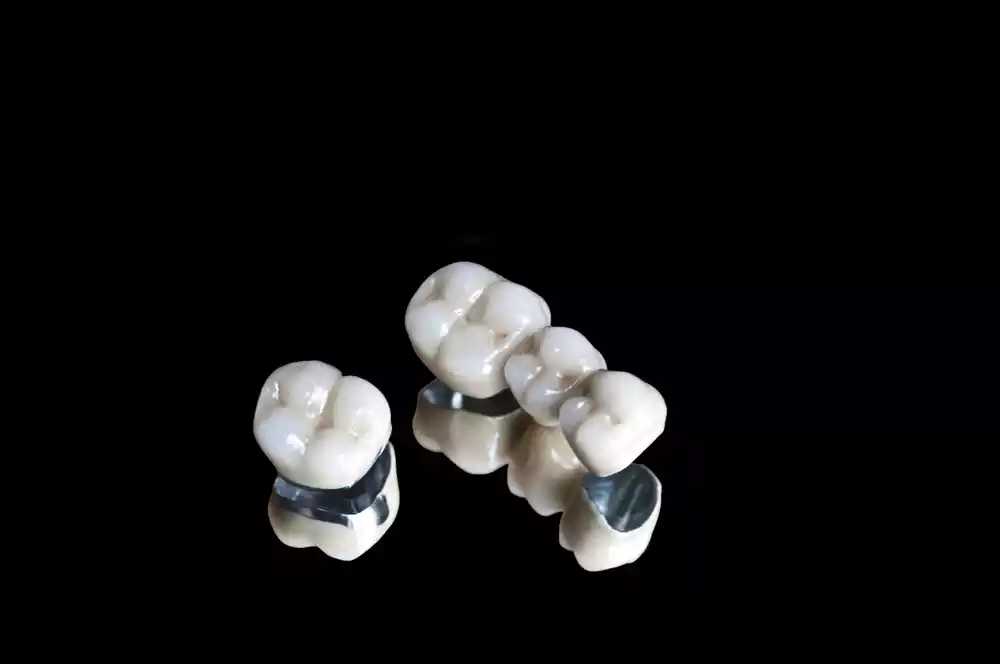
Dental crowns, often called “caps,” completely cover and reinforce a tooth that has been weakened by decay, fractures, or previous dental work. Whether made from porcelain, ceramic, zirconia, or metal, crowns are engineered to handle everyday chewing forces and blend naturally with the rest of your teeth. However, even the strongest crown benefits from proper care, and eating with dental crowns safely is a key part of maintaining their performance.
Because crowns do not have the same flexibility as natural enamel, certain habits, like biting hard objects, tearing food with your front teeth, or chewing sticky items, can put unnecessary stress on the restoration. Understanding how your crown functions helps you make better decisions at mealtime, allowing you to protect both the crown and the natural tooth structure underneath.
Challenges of eating with dental crowns
While dental crowns are designed to function like natural teeth, it’s normal to face a few challenges when you first begin eating with dental crowns. Understanding these common issues can help you adjust more easily and protect your restoration from unnecessary damage.
Pressure sensitivity
It’s not unusual to experience mild pressure or temperature sensitivity shortly after your crown has been placed. When you start eating with dental crowns, the tooth and surrounding tissues may still be adjusting, which can lead to brief discomfort while chewing or biting. This sensitivity typically improves within a few days as your bite settles and the crown integrates securely. Choosing softer foods during this initial period can minimize irritation and help your mouth adapt more smoothly.
Food staining
Although many crowns are crafted to resist discoloration, certain materials, especially porcelain-fused-to-metal or composite crowns, can still stain over time. Foods and drinks like coffee, red wine, curry, berries, and soy sauce are known to cling to dental surfaces. When eating with dental crowns, being mindful of frequent exposure to these staining agents can help maintain the brightness and natural appearance of your restoration. Rinsing your mouth after consuming deeply pigmented foods can also reduce staining potential.
Risk of wear and tear
Even though dental crowns are durable, they’re not indestructible. Chewing on hard or sticky foods, such as ice, hard candies, caramel, or tough nuts, can place excessive force on the crown. Over time, these habits may contribute to cracks, chips, or loosening of the restoration. Practicing mindful chewing and avoiding using your teeth as tools (like opening packages) play an important role in keeping your crown intact.
By recognizing these challenges and making small adjustments, eating with dental crowns becomes easier, safer, and more comfortable, helping you protect your investment and enjoy a healthier smile for years to come.
Essential tips for eating with dental crowns
Adopting specific habits can protect your dental crowns and ensure a healthy smile:
1. Choose foods wisely
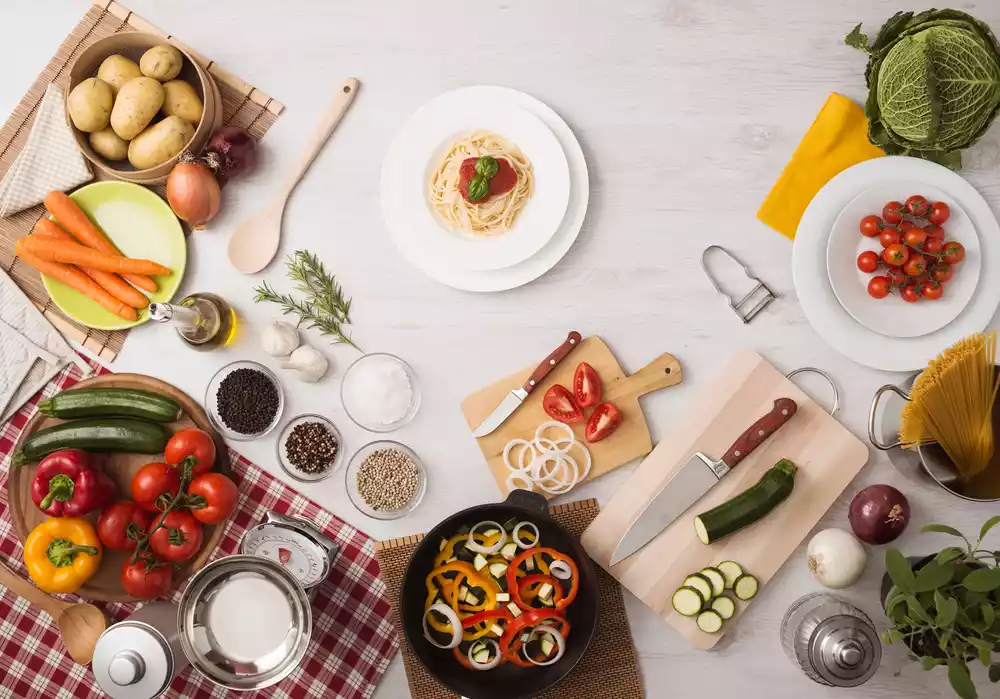
When eating with dental crowns, pay attention to the types of foods you consume:
- Avoid hard foods: Refrain from biting down on hard candies, nuts, or ice to prevent chipping or cracking your crown.
- Limit sticky foods: Chewy candies, caramels, and certain dried fruits can adhere to crowns, potentially dislodging them or damaging the bond with natural teeth.
- Reduce staining agents: Foods and drinks like coffee, tea, red wine, and berries are known to stain. Minimizing intake can help keep crowns looking fresh and natural.
2. Practice proper chewing techniques
Adapting your chewing habits is crucial when eating with dental crowns:
- Chew evenly: Distribute food evenly on both sides of your mouth to balance the pressure applied to your crowns.
- Cut food into smaller pieces: Reducing food size can make it easier to chew and decrease the stress on your dental crowns.
3. Maintain excellent oral hygiene
Preserving healthy teeth and gums supports your dental crowns:
- Brush regularly: Use a soft-bristled toothbrush and non-abrasive fluoride toothpaste to brush twice a day, ensuring that plaque doesn’t build up around your crowns.
- Floss daily: Choose a gentle floss or interdental brush to clean between your teeth and crowns, removing food particles that could cause decay.
4. Regular dental check-ups
Routine dental visits are key to monitoring the condition of your crowns, especially concerning wear and longevity:
- Professional cleanings: Regular cleanings remove plaque and tartar buildup that could compromise your crown surfaces or surrounding gums.
- Crowns assessment: Dentists can identify early signs of damage, allowing for prompt repair and minimizing potential complications.
Protecting dental crowns long-term
Long-term care practices aid in maintaining the quality and durability of your dental crowns:
Diet adjustments
Opt for a balanced diet that supports overall dental health:
- Choose nutritious options: Foods high in calcium, phosphorus, and fiber, like dairy products, leafy greens, and lean meats, contribute to stronger teeth and gums.
- Stay hydrated: Drinking water throughout the day cleanses your mouth and dilutes acids, supporting oral health while eating with dental crowns.
Nighttime protection
Teeth grinding or clenching during sleep can damage dental crowns:
- Consider a nightguard: If you grind your teeth at night, a custom-fitted nightguard can prevent damage to your crowns, ensuring they remain intact and functional.
Addressing common concerns when eating with dental crowns
While dental crowns improve smile aesthetics and function, concerns may arise:
Dealing with sensitivity
Temporary sensitivity when eating with dental crowns is normal:
- Desensitizing toothpaste: Using toothpaste formulated for sensitivity can ease symptoms as your mouth adjusts.
- Limit temperature extremes: Avoid consuming extremely hot or cold foods and drinks that could irritate sensitive teeth.
Managing discomfort
If discomfort persists while eating with dental crowns:
- Consult your dentist: Persistent issues may indicate crowning or alignment problems, which your dentist can address through adjustment or replacement.
Enjoy eating with dental crowns
After some adjustment, eating with dental crowns becomes a routine part of maintaining a healthy smile. By implementing best practices and maintaining a proactive approach to oral care, you can enjoy your favorite meals worry-free.
Opt for the best dental crowns in Tijuana
For those considering or requiring dental crowns, Dental Easy Care stands out as the premier choice in Tijuana. Our experienced team provides exceptional quality and personalized care to meet your dental needs.
Contact us today to schedule a consultation and learn more about protecting your smile. Call us or fill out our online form to book your appointment with the top specialists for dental crowns in Tijuana.