Losing a tooth can happen to anyone due to various reasons, such as decay, injury, or periodontal disease. While it might be tempting to ignore a single missing tooth, the decision of not replacing a lost tooth can have significant consequences on your oral health and overall well-being. In this article, we will explore the potential impacts of not replacing a lost tooth and why it’s crucial to address this issue as soon as possible.
Immediate Effects of Not Replacing a Lost Tooth
The immediate impact of not replacing a lost tooth goes beyond just aesthetics. Here’s how ignoring a missing tooth can affect your day-to-day life:
1. Aesthetic Concerns
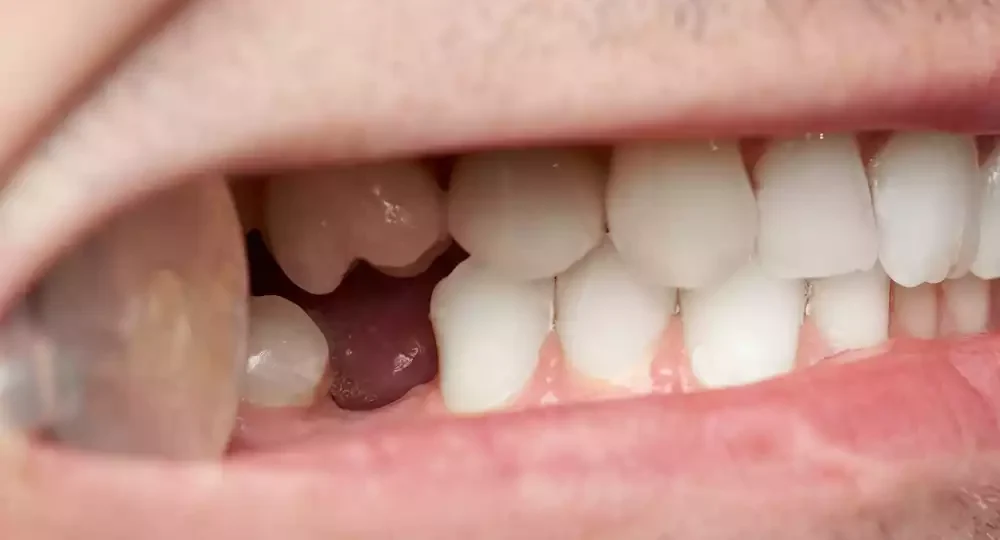
One of the most visible impacts of not replacing a lost tooth is the change in your smile’s appearance. A missing tooth, particularly in a visible area, can lead to self-consciousness and diminished confidence. This may impact your willingness to smile or engage in social interactions.
2. Difficulty Chewing
Each tooth in your mouth plays a specific role in processing food. When a tooth is lost, chewing can become challenging and less efficient. Not replacing the lost tooth can lead to discomfort and limit your ability to enjoy a wide variety of foods, impacting your nutrition.
3. Speech Impediments
Missing teeth can alter your ability to pronounce certain words or sounds. Teeth help control airflow and tongue placement during speech. Not replacing a lost tooth may lead to slurring or difficulty speaking clearly, potentially affecting communication.
Long-Term Consequences of Not Replacing a Lost Tooth
Beyond immediate effects, not replacing a lost tooth can lead to numerous long-term oral health issues that can become complex and costly to resolve:
1. Shifting of Adjacent Teeth
When a tooth is lost, adjacent teeth can begin to shift into the empty space, causing misalignment. This can lead to crowding or spacing issues, which may require orthodontic treatment to correct. Misaligned teeth are also harder to clean, increasing the risk of decay and gum disease.
2. Bone Loss in the Jaw
Teeth play a crucial role in maintaining jawbone density by stimulating the bone through regular biting and chewing. Not replacing a lost tooth can result in bone resorption, where the jawbone begins to deteriorate due to lack of stimulation. Over time, this bone loss can compromise the stability of neighboring teeth and alter your facial structure, leading to a sunken appearance.
3. Increased Risk of Decay and Gum Disease
When teeth shift and become misaligned, maintaining proper oral hygiene becomes more challenging. Misaligned teeth create hard-to-reach areas where plaque and bacteria can accumulate, increasing the risk of tooth decay and gum disease. Additionally, the loss of a tooth can create gaps that trap food particles, leading to more oral health problems if not addressed.
4. TMJ Disorders and Jaw Pain
The loss of a tooth can disrupt the balance and alignment of your bite, placing extra stress on the temporomandibular joint (TMJ). This extra strain can lead to TMJ disorders, characterized by jaw pain, headaches, and difficulty in opening or closing the mouth. Not replacing a lost tooth can thus have cascading effects on your overall oral and general well-being.
Options for Replacing a Lost Tooth
Replacing a lost tooth is essential to maintain optimal oral health and prevent the detrimental consequences mentioned above. Here are the most common options for replacing a lost tooth:
1. Dental Implants
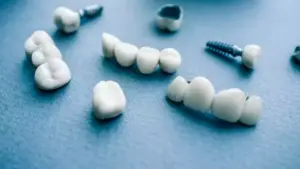
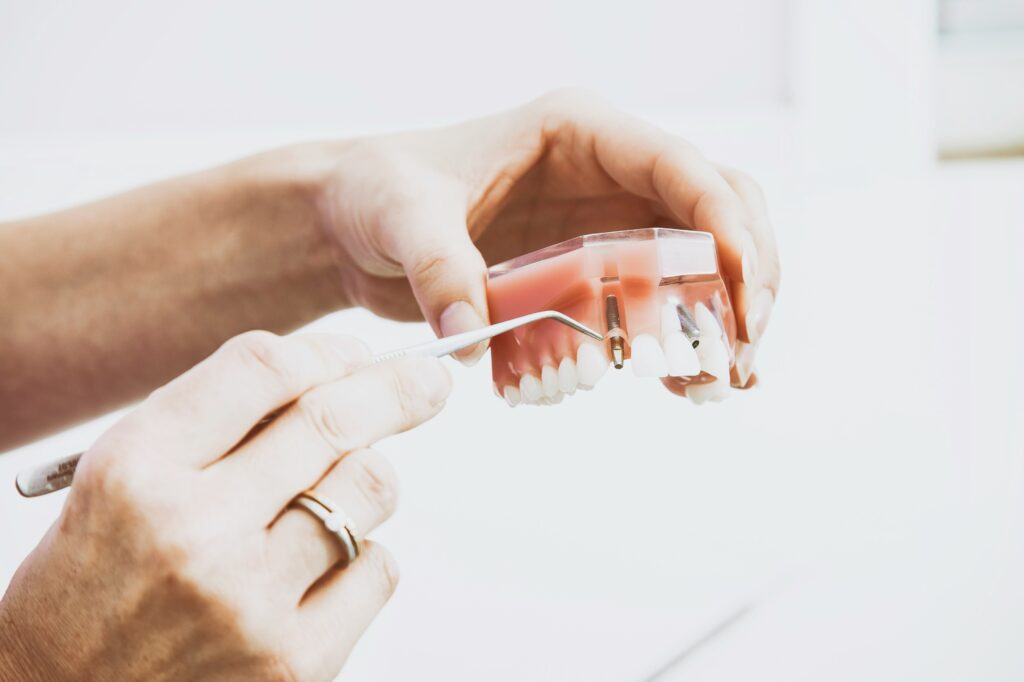
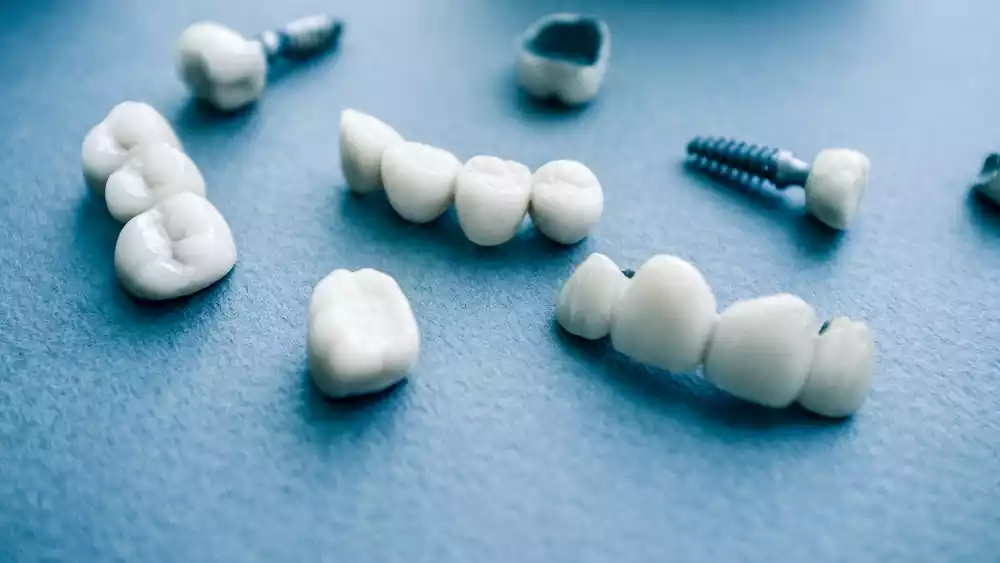
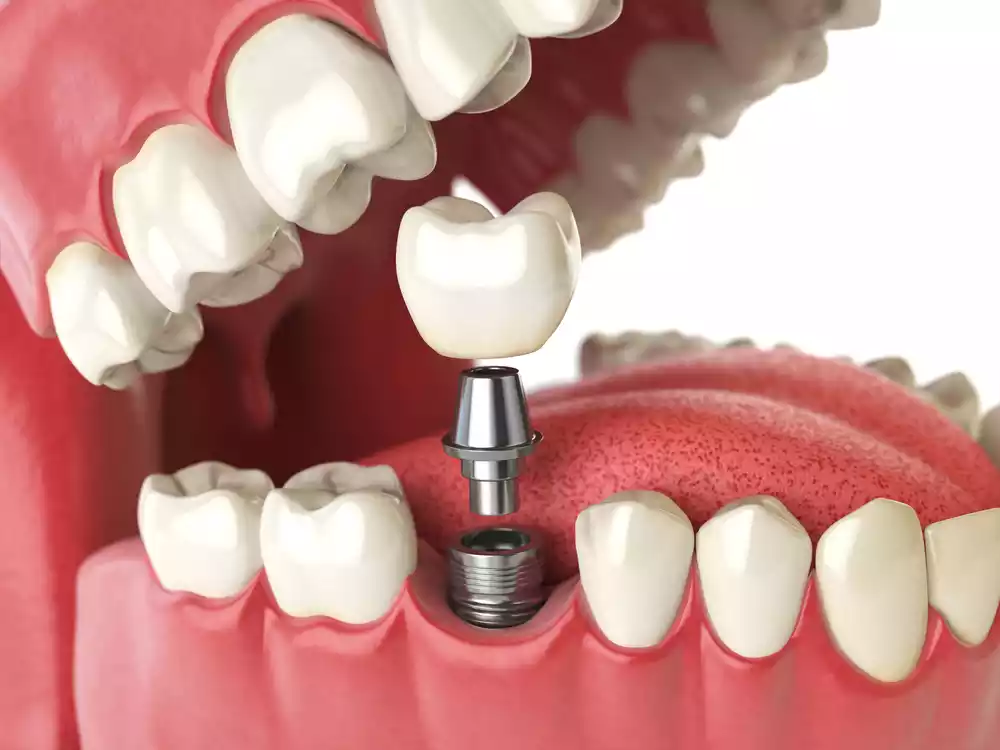
Dental implants are a highly popular and effective solution for replacing lost teeth. A dental implant consists of a titanium post that is surgically placed into the jawbone, acting as an artificial tooth root. Once the implant has integrated with the bone, a crown is attached to restore the function and appearance of the lost tooth. Dental implants are durable and long-lasting, providing a natural look and feel.
2. Dental Bridges
A dental bridge is another option for replacing one or more missing teeth. It involves creating a dental prosthesis that bridges the gap left by a missing tooth. The bridge is anchored to adjacent teeth or dental implants on either side of the gap. Bridges can restore function and aesthetics but may require alteration of healthy teeth.
3. Partial Dentures
For those missing several teeth, partial dentures can be a removable option. Partial dentures are customized to fit your mouth and fill the spaces left by missing teeth, improving function and appearance. While they are a less permanent solution, partial dentures are non-invasive and cost-effective.
Why Acting Fast Matters
The longer you wait to address a missing tooth, the more likely you are to experience the associated complications. Timely replacement of a lost tooth helps prevent bone loss, maintain alignment, and protect your oral health. Acting quickly ensures that you can maintain a healthy, confident, and functional smile.

Choose Dental Easy Care for Dental Implants in Tijuana
The consequences of not replacing a lost tooth extend far beyond cosmetic concerns. By addressing the issue promptly, you can avoid significant oral health complications in the future. If you’re considering replacing a lost tooth, look no further than Dental Easy Care for the best dental implants in Tijuana. Our experienced team offers personalized care and top-notch services to ensure successful treatment outcomes.
Contact us today to schedule your consultation and discover why Dental Easy Care is your ideal choice for dental implants in Tijuana.